
Formulations: every input to the sterile fill filtered, tested and on record.
Seven filtration points around parenteral and ophthalmic filling, what decides the filter at each, and the problems that hold a batch. Send one point and an application engineer works through it with you.
- Water and utilitiesWFI, DM water, compressed air, nitrogen and clean steam, filtered where they meet the product.
- Tank ventsHolding tanks breathe through a dry hydrophobic vent filter, not through room air.
- The sterile fillPre-filtration that lets the final filter last the batch, and a final filter tested before and after use.
- QC laboratorySamples and mobile phases filtered, so results reflect the sample.
Formulations
What each point around the sterile fill has to protect, and what decides the filter there.
Plants arrange these points differently, so they are numbered, not ordered. The filter at each is chosen with you against your formulation, your validated method and your batch.
- Point 1
WFI and DM water
Water for injection and purified water go into every batch and every rinse. A sterilizing-grade filter at the point of use holds particles and bacteria back where the water meets the product.
What decides the filter here
- Flow and pressure at the point of use
- Water temperature and the sanitization cycle
- The integrity test the site runs
- Point 2
Tank vents
Each WFI and product tank breathes through a hydrophobic vent filter as it fills and empties. Condensate is what usually goes wrong here: a wet membrane stops the tank breathing, and SIP of the tank makes it more likely.
What decides the filter here
- Tank volume, and how fast it fills and empties
- Tank temperature and the SIP cycle
- Space for the housing and a drain point
- Point 3
Compressed air and nitrogen
Air and nitrogen that touch the product or blanket a tank are filtered for oil, water and particles, then given a final purification at the point of use.
What decides the filter here
- The gas and its pressure
- Whether it touches the product
- Moisture and oil in the supply
- Point 4
Clean steam for SIP
A steam filter ahead of the air and liquid filters it sterilizes keeps rust, scale and pipe debris out of the system being cleaned, and off the membranes downstream.
What decides the filter here
- Steam pressure and flow
- The condition of the steam line
- What the steam sterilizes downstream
- Point 5
Pre-filtration and bioburden reduction
A pre-filter and a bioburden reduction stage take the solids load off the sterilizing filter and set how long it lasts. Sized well, the final filter lasts the batch instead of blinding partway through a fill.
What decides the filter here
- Solids, gels and colloids in the bulk solution
- Batch volume and the filtration time you can allow
- The rating gap to the final filter
- Point 6
Sterilizing-grade filtration before filling
The last barrier before LVP, SVP and ophthalmic filling. The filter is integrity tested before and after use against a published value, and both results go into the batch record. Filters are supplied non-sterile unless specified.
What decides the filter here
- The formulation, its viscosity and its temperature
- Batch volume and the time allowed
- The filter and test method you have validated
- Point 7
QC laboratory
Syringe filters prepare samples for HPLC and pharmaceutical testing, and solvent inlet filters protect the pump and the column, so results reflect the sample and not the particles in it.
What decides the filter here
- Sample volume and solvent
- A membrane that suits the analyte
- HPLC or UHPLC system
Full process flow
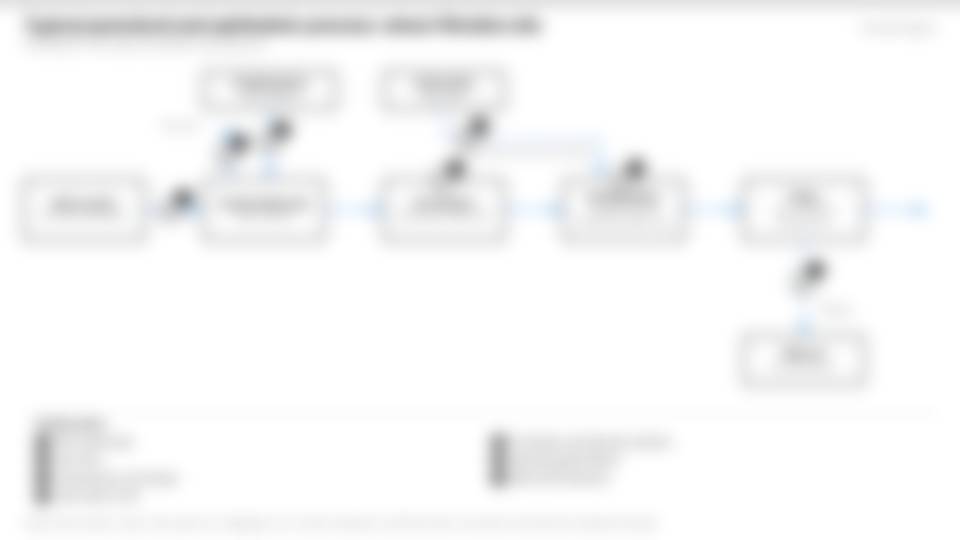
The complete formulations process flow, every filtration point marked
A process flow diagram of a typical plant, showing where each filtration point sits and what it protects. Useful for a new line, a debottlenecking study or a validation review. Sent by email on request.
Troubleshooting
Common challenges
What each problem looks like on the line, what usually causes it, and the first two things to check.
Stage 6, sterilizing-grade filtration before filling
Likely causes
- Incomplete wetting, or a wetting fluid that does not suit the membrane
- A seal fault: an O-ring rolled, damaged or not seated in the housing
- Test conditions, such as temperature or upstream volume, different from those the test method assumes
- Real damage to the membrane from pressure, temperature or sterilization beyond its limits
Check first
- Wetting fluid and test method against the catalogue for that membrane
- O-ring seating and the housing
What the right fix depends on
The membrane, the test instrument and method, the recorded test values, the filter cartridge serial number and the sterilization history.
Documentation and validation
Records that support filter validation and let QA release the batch.
What a formulations plant needs from its filter supplier is a method it can cite and a value it can test against. Each sterilizing-grade membrane comes with both.
Retention on a recognised method
Sterilizing-grade membranes are challenge-tested to ASTM F838, so the retention claim in your filter validation rests on the standard method, not on a supplier test you would have to defend.
How to read a retention ratingTests before and after use
Each membrane has a published minimum bubble point and wetting fluid, so pre-use and post-use tests are run against a stated value and both results filed with the batch.
Integrity testing explainedA validation guide to start from
For the double-layer PES membrane a validation guide is available, so your validation work starts from a document rather than from a list of questions to the supplier.
Sterilization limits stated
Steam-in-place limits for the sterilizing-grade membrane cartridges, and autoclave limits for the capsules, are published, so your cycles are set, and any change assessed, against a stated limit.
Gopani products for formulations
One supplier for the sterile fill and everything that feeds it.
Ratings, sizes, test values and materials are on each product page and in its catalogue.
- Points 1 and 6
Sterilizing-grade PES membrane filter cartridges
Clarypleat PESKryticalpleat PES
Sterilizing-grade filtration of WFI and of LVP, SVP and ophthalmic solutions.
- Points 1 and 6
Nylon membrane filter cartridges
Sterilizing-grade filtration for SVP and buffers.
- Point 5
Pre-filter cartridges
Pre-filtration and bioburden reduction that protect the sterilizing filter.
- Points 2 and 3
Hydrophobic PTFE filter cartridges and capsules
Clarypleat PTFEClarypleat PTFE capsule
Tank vents, compressed air and nitrogen.
- Small batches
Capsule filters
Sterilizing-grade filtration of small batches; every capsule is integrity tested.
- Housings, point 2
Sanitary and vent filter housings
Clary-T Sanitary Filter HousingsClary-T Vent
Stainless steel housings for the liquid line and for tank vents.
- Point 4
Steam filter elements
Clean steam for SIP, ahead of the filters it sterilizes.
- Point 7
Syringe and HPLC solvent filters
Uni.Q syringe filtersHPLC solvent inlet filters
Sample preparation and mobile phase filtration in the QC laboratory.
Related catalogues
Product data, test methods and validation figures for the lines used in formulations plants, sent by email on request.
Talk to an application engineer
Tell us the product, the batch and the filter you validated. Get back the match, its documents and a price.
Send the filtration point, the formulation or fluid, the batch volume and filtration time, and the filter and integrity test you use today: a part number, a photograph or a drawing is enough. An application engineer replies with the Gopani product that fits, the documentation available for your validation file, and a quotation.