
API and drug intermediates: keep the catalyst, the solvent and the product within limits, batch after batch.
Seven filtration points in a typical API plant, what decides the right filter at each one, and the problems that stop a batch. Send one stage and an application engineer works through it with you.
- Feeds and utilitiesRaw materials, solvents, process water, gases and steam cleaned before they reach the reactor.
- Reaction and catalyst recoveryPrecious metal catalyst held in a closed circuit and returned to the next batch.
- PurificationCarbon taken back out after decolourising, and the product line brought within its bioburden and endotoxin limits.
- Solvent recoverySolvent cleaned ahead of the column, so recovered solvent can go back into use.
Drug intermediates and API
What each API stage has to protect, and what decides the filter there.
The order follows a typical API plant as the Gopani pharma catalogue maps it. Your plant may combine or skip stages; the filter at each point is chosen with you against your solvent, temperature and batch.
- Stage 1
Raw materials and solvents
Every drum, tanker and transfer line brings its own particles. Filtering each feed on its way from the tank farm to the reactor keeps them out of the batch, and a pre-filter ahead of the final filter stops the final filter loading early.
What decides the filter here
- The solvent, and the materials that have to resist it
- Temperature and flow on the transfer line
- One stage, or a pre-filter and a final filter
- Stage 2
Process water and tank vents
Purified water or WFI enters the batch through a final filter at the point of use. Water and solvent tanks breathe through a hydrophobic vent filter, which has to stay dry: a wet vent stops the tank breathing.
What decides the filter here
- The water quality the batch record calls for
- Tank volume and how fast it fills and empties
- Condensation at the vent, and whether the housing needs heating
- Stage 3
Gases, compressed air and steam
Nitrogen blankets and transfers, compressed air drives and dries, steam heats. Each is filtered at the point of use, so the utility does not carry oil, water or pipe debris into the batch.
What decides the filter here
- The gas, its pressure and its flow
- Steam quality and the condition of the line
- Whether the element is to be cleaned and reused
- Stage 4
Reaction and catalyst recovery
Precious metal catalyst stays in a closed circuit and goes back into the next batch instead of leaving with the filtrate. How much is recovered depends on the catalyst, the solvent and the batch, so recovery is stated for your process after a data review or a trial.
What decides the filter here
- The catalyst and its particle size
- The solvent, the batch size and the cycle time
- The space and utilities around the reactor
- Stage 5
Carbon treatment and clarification
Powdered carbon removes colour and impurities, then has to come back out. The stage holds the whole carbon dose, so it is sized for the mass it has to hold, not for its micron rating alone.
What decides the filter here
- The carbon grade and the dose per batch
- Batch volume and the filtration time you can allow
- The clarity the next step needs
- Stage 6
Bioburden and endotoxin reduction
A membrane stage on the product line brings bioburden and endotoxin within the limits set for the API before isolation. A pre-filter carries the solids, so the membrane lasts the batch.
What decides the filter here
- The bioburden and endotoxin limits for the product
- Solids, gels and colloids in the stream
- The integrity test method your QA uses
- Stage 7
Solvent recovery
Solvent is filtered before the distillation column, and the clean solvent tank breathes through a vent filter. The column stays free of solids and the recovered solvent can be used again.
What decides the filter here
- The solvent and its temperature
- The solids the process leaves in it
- The quality the solvent has to meet for reuse
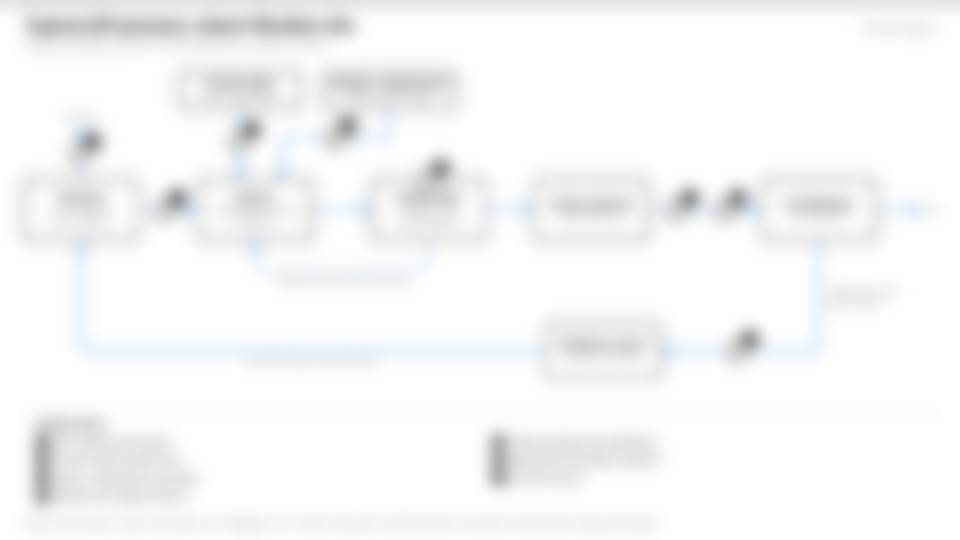
Full process flow
The complete API process flow, every filtration point marked
A process flow diagram of a typical plant, showing where each filtration point sits and what it protects. Useful for a new line, a debottlenecking study or a validation review. Sent by email on request.
Troubleshooting
Common challenges
What each problem looks like on the line, what usually causes it, and the first two things to check.
Stage 4, reaction and catalyst recovery
Likely causes
- Bags bypassing at the seal or the collar
- Bags torn or disturbed at change-out
- Catalyst fines finer than the filter medium, often formed by attrition in the reactor
Check first
- Metal content in the filtrate, batch by batch
- Bag seating and the condition of the basket
What the right fix depends on
The catalyst and its particle size, the solvent, the batch size and cycle time, and the filtration you run today.
The Gopani equipment for this duty:Catalyst recovery systems
Documentation and validation
Records that let QA release an API batch and answer the auditor.
The test methods behind each membrane are set out on the pharma overview. In an API plant they come down to four things your quality team can rely on.
A stated pass value
Each bioburden reduction membrane has a published minimum bubble point and the wetting fluid to test it with. Operators test against a stated value, and the result goes into the batch record with a reference QA can cite.
Integrity testing explainedTraceable to the filter
Each membrane filter cartridge is traceable by serial number, so a test result, a deviation or a complaint is traced to the individual filter rather than to a batch of them.
Recovery stated for your process
Catalyst recovery is stated for your process after a data review or a trial, so the figure in your business case and your validation file comes from your catalyst and your solvent.
Explore catalyst recoveryMaterials checked against your chemistry
For sintered metal elements, the final material is confirmed against your complete process chemistry before supply, so solvent and acid compatibility is checked, not assumed.
Gopani products for API
One supplier for the seven filtration points, from the tank farm to solvent recovery.
Ratings, sizes and materials are on each product page and in its catalogue.
- Stage 4
Catalyst recovery equipment
Closed-circuit filtration and backwash recovery of precious metal catalysts and Raney nickel.
- Stages 3 and 4
Sintered metal filter cartridges and candles
Backwashable elements for catalyst retention, gas and steam.
- Stage 3
Steam filter elements
Process steam cleaned at the point of use.
- Stages 1 and 5
Pleated pre-filter cartridges
Polypropylene pre-filtration for liquids and air, ahead of the final filter.
- Stage 6
Membrane filter cartridges for bioburden reduction
Clarypleat PESClarypleat PVDFKryticalpleat PES
Bioburden and endotoxin reduction on the product line, integrity testable.
- Stages 1, 2, 3 and 7
PTFE and all-fluoropolymer filter cartridges
Clarypleat PTFEKryticalpleat All Fluoropolymer
Solvents, gases and tank vents, where chemical resistance decides the choice.
- Stage 2
Vent filter housings
Stainless steel housings for the vent filters on water and solvent tanks.
- Stage 5
Activated carbon and filter bags
Clarycarb activated carbonClaryfil felt filter bags
Colour and impurity removal, and the bags that take the carbon back out.
Related catalogues
Product data, test methods and validation figures for the lines used in API plants, sent by email on request.
Talk to an application engineer
Tell us the stage, the solvent and the batch. Get back the filter, its documents and a price.
Send the process stage, the solvent or fluid, the temperature, the flow or batch size, and what you filter with today: a part number, a photograph or a drawing is enough. For catalyst recovery, add the catalyst and the cycle time. An application engineer replies with the Gopani product that fits, the documentation available for your validation file, and a quotation.