
Biotech and fermentation: keep the run sterile for days and the product stream clear to final filtration.
Seven filtration points in fermentation and cell culture, for vaccines, biological products, serum and cell culture processes: what each protects, what decides the filter, and the problems that cost a run.
- Media and buffersFiltered on the way to the vessel, so the culture starts clean.
- Air, sparging and exhaustFiltered air in, fine bubbles for oxygen transfer, moist exhaust out without wetting the vent.
- ClarificationCells and debris taken out after harvest, so the membranes downstream see a clarified stream.
- Final filtrationThe product brought to its final bioburden specification, with the integrity test records for release.
Biotech
What each fermentation stage has to protect, and what decides the filter there.
The stages follow the Gopani fermentation and pharma catalogues, from media preparation to downstream filtration. The filter at each is chosen with you against your vessel, your medium and your product.
- Stage 1
Media and buffer preparation
Nutrient media, buffers, serum and cell culture media are filtered on the way to the vessel. Media with serum or peptone carry proteins and particles that load a membrane early, so the choice here starts from the medium, not from the rating.
What decides the filter here
- The medium and its supplements
- Batch volume and the filtration time you can allow
- How much protein the product can lose to the filter
- Stage 2
Air and gas inlet
Air and gas to the fermentor are filtered on the way in, through filters that take the heat and pressure of repeated sterilization. A failure here, days into a run, can cost the whole run.
What decides the filter here
- Air flow and pressure
- Sterilization cycles per run
- Moisture in the supply
- Stage 3
Sparging and aeration
Sintered spargers disperse gas into the broth as fine, uniform bubbles for oxygen transfer, in stainless steel or Hastelloy to suit the medium and its cleaning.
What decides the filter here
- Vessel size and gas rate
- The medium and the cleaning chemistry
- The connection on the vessel
- Stage 4
Exhaust and vents
CO₂ and exhaust gas leave through a hydrophobic vent filter that keeps the vessel closed to contamination. Warm, saturated exhaust condenses in the line, and a wet vent filter raises the back pressure on the vessel.
What decides the filter here
- Exhaust temperature and humidity
- Foam or aerosol carried over
- Space around the vessel for the housing and a drain
- Stage 5
Steam for SIP
Sintered steam filters on the line and tank sterilization cycles keep pipe debris out of the vessel and off the filters the steam sterilizes.
What decides the filter here
- Steam pressure and flow
- The condition of the steam line
- What the steam sterilizes downstream
- Stage 6
Clarification
After harvest, depth modules in enclosed housings take out cells and debris ahead of the final membrane, so the membranes downstream last.
What decides the filter here
- Cell density and debris load
- Harvest volume
- Whether handling has to stay enclosed
- Stage 7
Downstream and final filtration
Vaccines, biological products and protein solutions are filtered to their final bioburden specification, with integrity test records QA needs for release. Capsules cover laboratory and pilot scale.
What decides the filter here
- The product and its protein binding
- Batch volume and scale
- The filter and test method you have validated
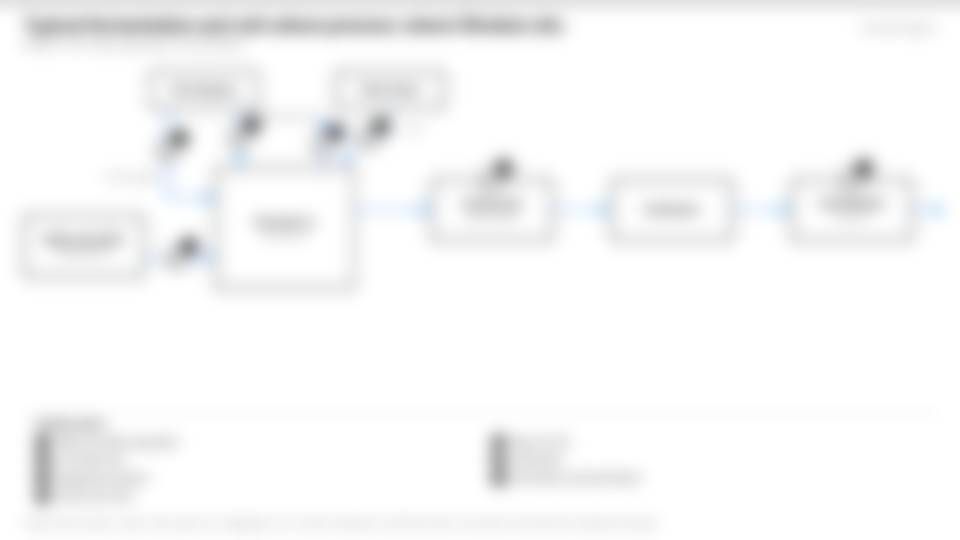
Full process flow
The complete biotech process flow, every filtration point marked
A process flow diagram of a typical plant, showing where each filtration point sits and what it protects. Useful for a new line, a debottlenecking study or a validation review. Sent by email on request.
Troubleshooting
Common challenges
What each problem looks like on the line, what usually causes it, and the first two things to check.
Stage 4, exhaust and vents
Likely causes
- Warm, saturated exhaust gas condensing in the vent line and the housing
- Foam or aerosol carried out of the vessel with the exhaust
- A vent that is neither heated nor drained
Check first
- Vent orientation and the drain point
- Whether the housing is jacketed or heated
What the right fix depends on
The vessel volume and gas flow, the exhaust temperature and humidity, the SIP cycle and where the housing can be fitted.
The Gopani equipment for this duty:Clary-T Vent
Documentation and validation
Records that support a release decision on a biological product.
A biotech batch is worth too much to release on an assumption. Each sterilizing-grade filter comes with a stated method, a stated test value and a serial number.
Retention on a recognised method
Sterilizing-grade membranes are challenge-tested to ASTM F838, so the final filtration step in your file rests on the standard method.
How to read a retention ratingTested before it ships
Every double-layer PES filter cartridge and every capsule filter is integrity tested before shipping, and each filter is traceable by serial number, so a result can be traced to the filter that gave it.
Integrity testing explainedLow protein binding stated
The PES membranes for media and final filtration are stated as low protein binding, so product loss to the filter can be weighed when the filter is chosen, not found at scale-up.
Sterilization limits stated
Steam-in-place limits for the membrane cartridges and autoclave limits for the capsules are published, so sterilization cycles are set, and any change assessed, against a stated limit.
Gopani products for biotech
One supplier from the media tank to the final filter, with the vents, spargers and steam around the vessel.
Ratings, sizes, test values and materials are on each product page and in its catalogue.
- Stages 1 and 7
Sterilizing-grade PES membrane filter cartridges
Kryticalpleat PESClarypleat PES
Media, buffers and final filtration, low protein binding.
- Stages 6 and 7
PVDF membrane filter cartridges
Clarified cell cultures and protein purification.
- Laboratory, pilot and vents
Capsule filters
Clarypleat PES capsuleClarypleat PTFE capsule
Small-scale liquid filtration, fermentor venting and gas filtration; every capsule integrity tested.
- Stages 2 and 4
Hydrophobic PTFE filter cartridges
Fermentor air inlet, venting and breathing.
- Stage 2
Sintered metal filter cartridges
Compressed air and gas lines into the fermentor, resistant to heat and pressure.
- Stage 3
Sintered spargers
Clarysparge carbonation stones
Fine, uniform gas dispersion for oxygen transfer.
- Stage 5
Steam filter elements
Steam for line and tank sterilization.
- Stage 6
Depth filter modules and housings
Lenticular depth filtersClary-T LF
Clarification ahead of the final membrane, in enclosed housings.
- Stage 4
Vent filter housings
Stainless steel housings for the vent filter on fermentor exhaust.
Related catalogues
Product data, test methods and validation figures for the lines used in biotech plants, sent by email on request.
Talk to an application engineer
Tell us the vessel, the medium and the stage. Get back the filter, its documents and a price.
Send the stage, the medium or gas, the vessel volume or batch size, and the filter you use now: a part number, a photograph or a drawing is enough. An application engineer replies with the Gopani product that fits, the documentation available for your validation file, and a quotation.