
Application
Catalyst recovery. Return the catalyst to the next batch, clear it from the product, and keep operators away from the cake.
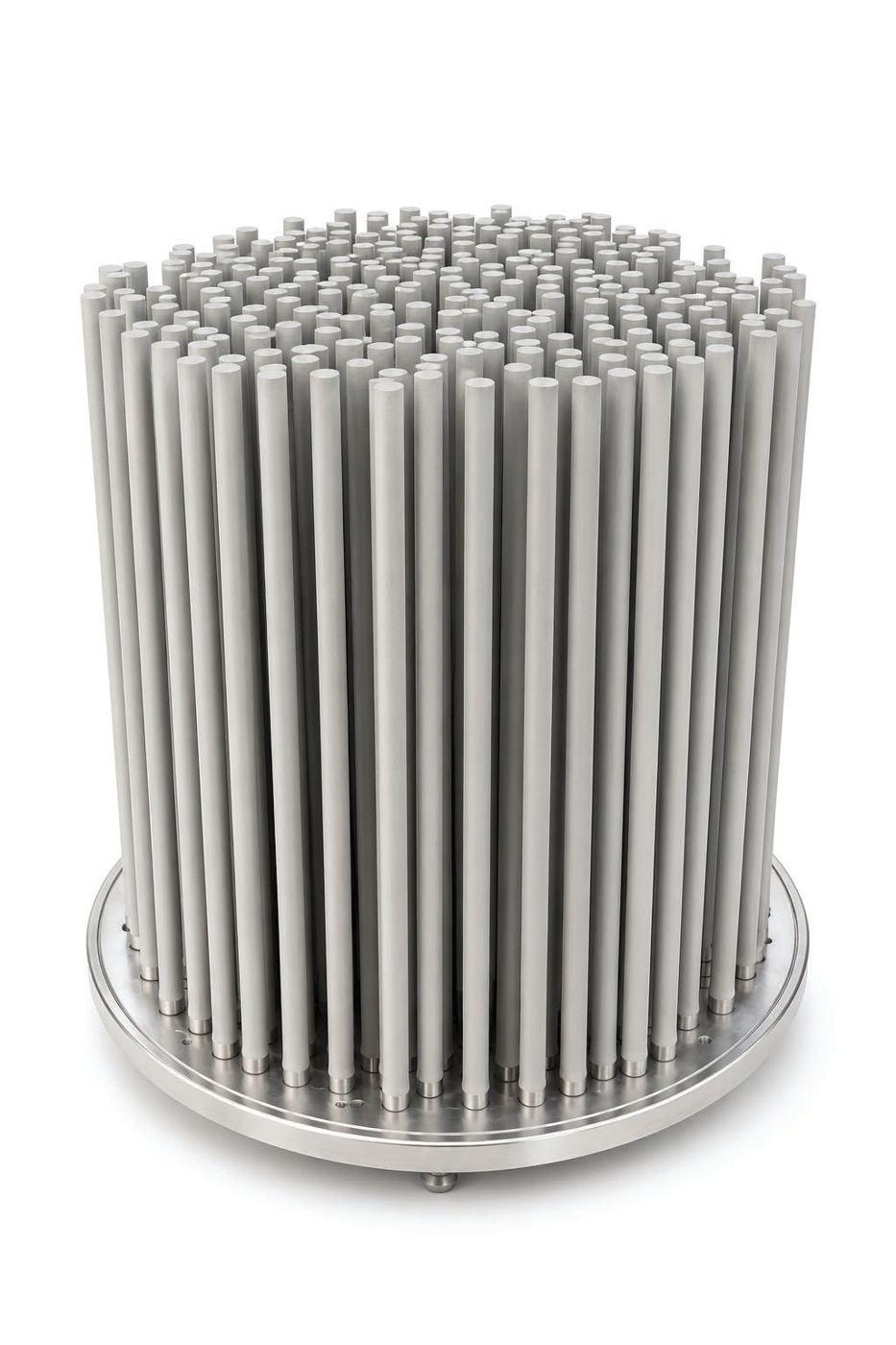
Hydrogenation and other catalysed reactions use palladium, platinum, rhodium and ruthenium on carbon, and Raney nickel. The catalyst has to leave the product, and it is too valuable to lose. Gopani recovers it in a closed circuit on backwashable sintered metal candles, with heel filters for the liquid left in the vessel and polishing stages downstream.
- Recovered
- Pd, Pt, Rh and Ru on carbon, Raney nickel
- How
- Closed circuit, single pass in most cases
- Elements
- Sintered metal candles, cleaned by backwash
- Returned to
- The next batch, or metal recovery
Why it matters
Good separation protects the product, the metal and the operators
Product limits
Metal catalysts must be removed from the product to meet the catalyst residue limits set by USP and EP in pharmaceutical manufacture.
Catalyst value
Precious metal catalysts are expensive. Recovering them reduces operating cost and the need for new material, and keeps the catalyst fit for the next batch.
Safety
Spent hydrogenation catalyst handled in the open is a fire hazard and exposes operators to solvent vapour. A closed circuit keeps it contained.
In the process
Recover the catalyst where it leaves the reactor, in a batch plant or a continuous loop
The recovery route in each case: where catalyst, liquid, cake and washings go, from the reactor to the next operation.
Pharma API and fine chemicals
- 01Hydrogenation reactor
- 02Primary separation on sintered candles
- 03Heel filtration and cake washing
- 04Downstream polishing
- 05Product, or the next operation
Free-powder activated carbon used to remove colour and impurities is filtered out on the same principle.
Continuous fixed-catalyst hydrogenation loop
- 01Hydrogenator
- 02Primary filter: sintered elements, backwashed for recovery
- 03Secondary safety filter: residual catalyst
- 04Tertiary filter: fine particles formed by attrition
- 05Next reaction stage
The working solution loop in hydrogen peroxide production is one example. At a planned shutdown, sintered discs in a blow-down vessel empty the hydrogenator of catalyst quickly.
How the system works
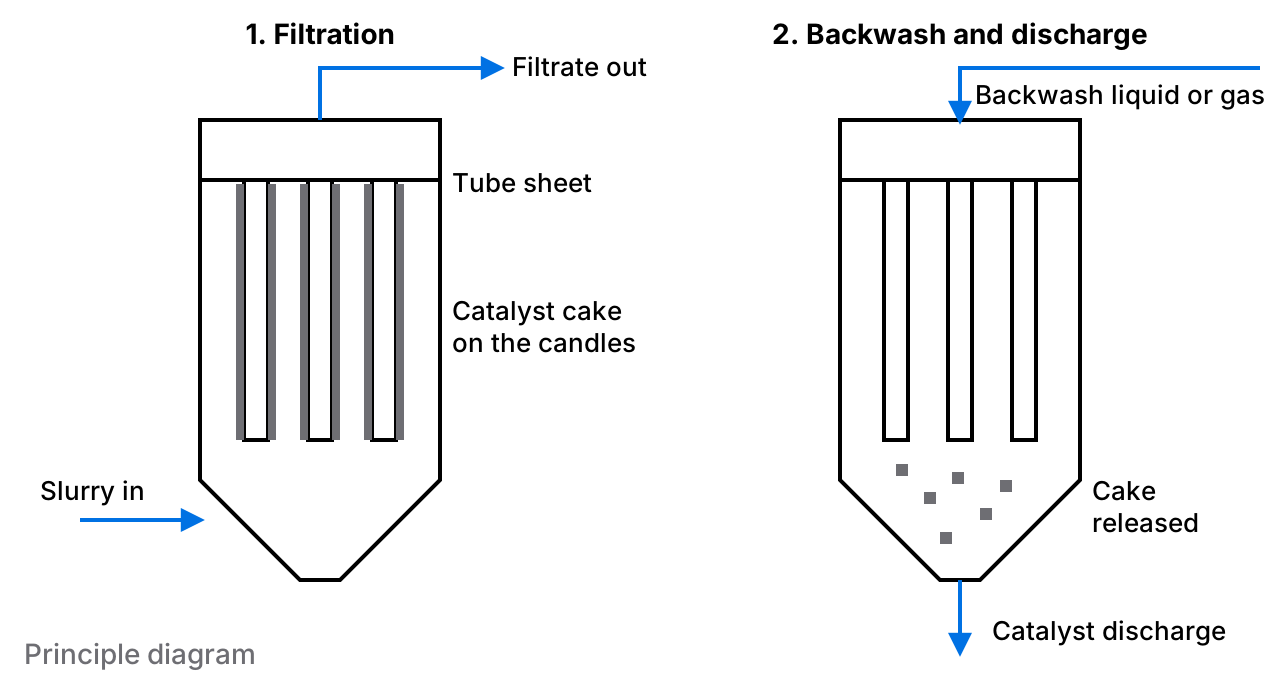
Filter, build the cake, backwash, discharge
01
Filtration
Slurry flows through the sintered candles. A medium of suitable pore size collects the catalyst on its surface; fine-micron candles have an asymmetric dual layer that keeps the catalyst on the surface.
02
Cake and isolation
The cake builds and the differential pressure rises. At the end of the cycle the filter is isolated.
03
Reverse cleaning
Liquid backwash or gas blowback reverses the flow and releases the cake, at a lower backwash pressure for the dual-layer candles.
04
Discharge
The catalyst leaves for the next batch or for recovery, heel filters take the remaining liquid, and the filter returns to service.
Not every contaminant is fully recoverable by backwash. Sticky, embedded, deformable or chemically bonded material may need other cleaning methods, or may make regeneration unsuitable.
Against older methods
What changes when a batch filter becomes a closed circuit
| Aspect | Sparkler, leaf, bag, plate and frame | Closed-circuit sintered system |
|---|---|---|
| Operation | Mostly batch type, with regular human intervention for replacement | Closed circuit; automated control on some systems |
| Passes | Often several filtration cycles | Required filtrate quality in a single pass in most cases |
| Filter aids | Additional filter aids often needed | Surface filtration on the sintered element, cleaned by backwash |
| Filtration area | Restricted by the filter type | Candle count and length set to the duty |
| Exposure | Operators handle the cake when filters are opened | Closed operation reduces fire hazard and operator exposure |
- Operation
- Sparkler, leaf, bag, plate and frame: Mostly batch type, with regular human intervention for replacement
- Closed-circuit sintered system: Closed circuit; automated control on some systems
- Passes
- Sparkler, leaf, bag, plate and frame: Often several filtration cycles
- Closed-circuit sintered system: Required filtrate quality in a single pass in most cases
- Filter aids
- Sparkler, leaf, bag, plate and frame: Additional filter aids often needed
- Closed-circuit sintered system: Surface filtration on the sintered element, cleaned by backwash
- Filtration area
- Sparkler, leaf, bag, plate and frame: Restricted by the filter type
- Closed-circuit sintered system: Candle count and length set to the duty
- Exposure
- Sparkler, leaf, bag, plate and frame: Operators handle the cake when filters are opened
- Closed-circuit sintered system: Closed operation reduces fire hazard and operator exposure
For sizing
Send your process data. Get back a sizing proposal and how recovery will be measured.
Mark anything you do not know as unknown, and say which figures are measured and which are estimates. Agree confidentiality before sending sensitive process data.
| Catalyst | Identity, support and metal loading; fresh or reused |
|---|---|
| Charge | Quantity per batch, on a wet or dry basis |
| Particle size | Distribution of fresh and used catalyst, with the method and sample date |
| Process liquid | Solvent and chemistry; viscosity and density at operating temperature |
| Duty | Batch volume and frequency, or flow range and annual hours |
| Temperature and pressure | Operating ranges and design limits, including vacuum or back pressure |
| Filtration conditions | Flow and differential pressure over the cycle, and the terminal limit |
| Cleaning and discharge | Backwash fluid and utilities available, sequence, and where the catalyst goes next |
| Filtrate quality | Required limit, test method and sampling point |
| Safety | Containment and inerting requirements, and site constraints |
| Existing equipment | Current filtration arrangement; element and tube-sheet drawings when elements are to be replaced |
How recovery is stated
Recovery depends on the catalyst, its particle size, the solvent and the cycle, so Gopani does not quote one figure for every process. An application engineer reviews your batch data or proposes a trial with your process material, measured against a catalyst or metal balance agreed in advance.
Products
The equipment and filters in the recovery circuit
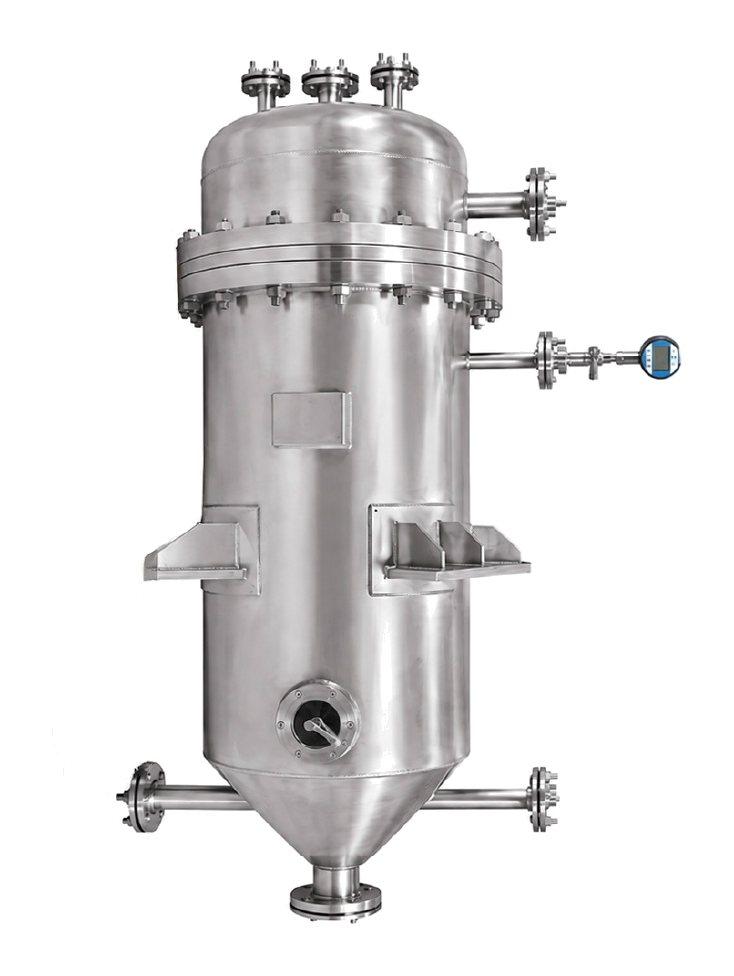
Filter Housings and Systems
Catalyst recovery systems
Primary separation and recovery, in a closed circuit.
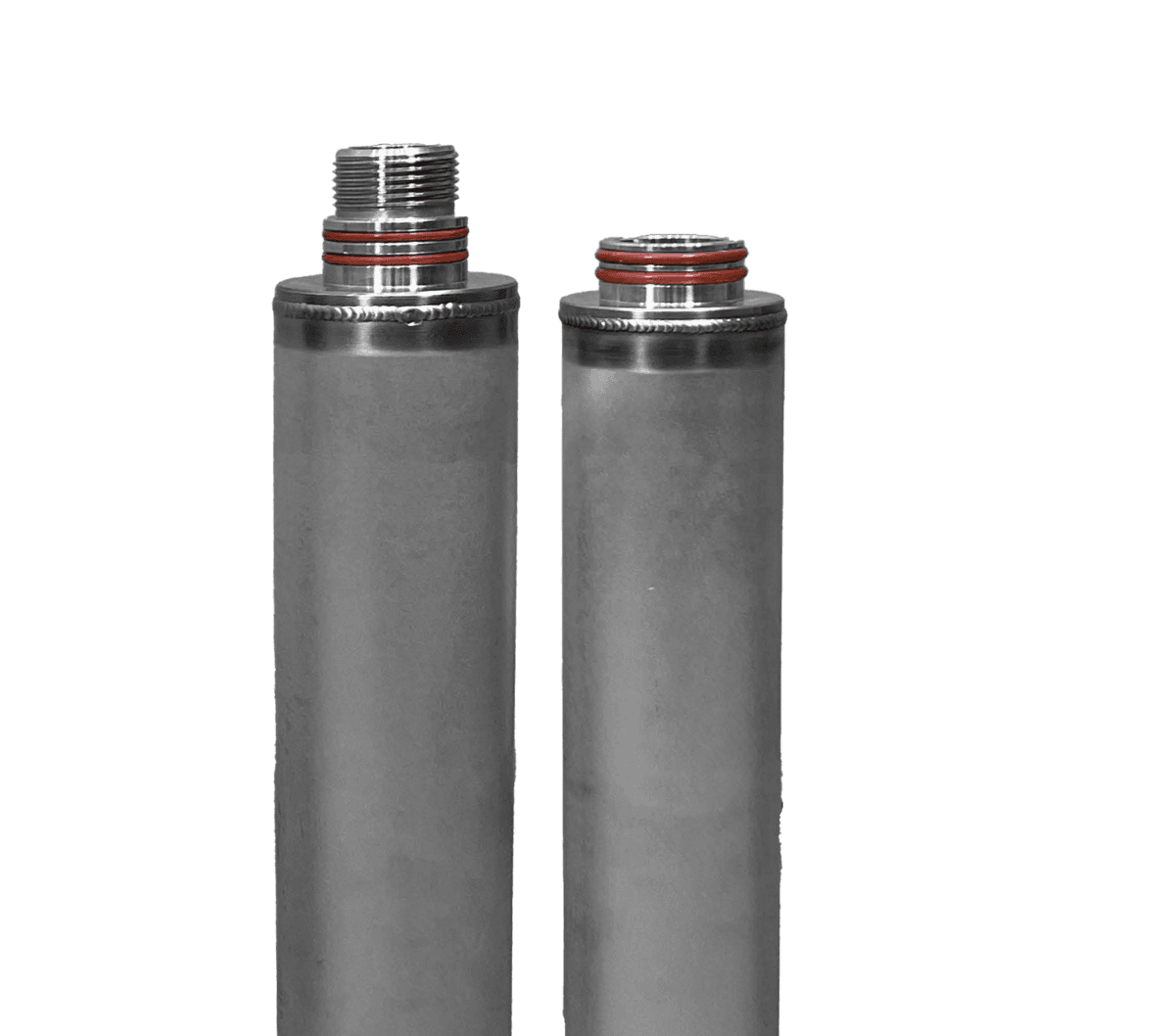
Sintered Metal Filter Cartridges
Clarysynt powder sintered
Sintered candles for the recovery circuit.
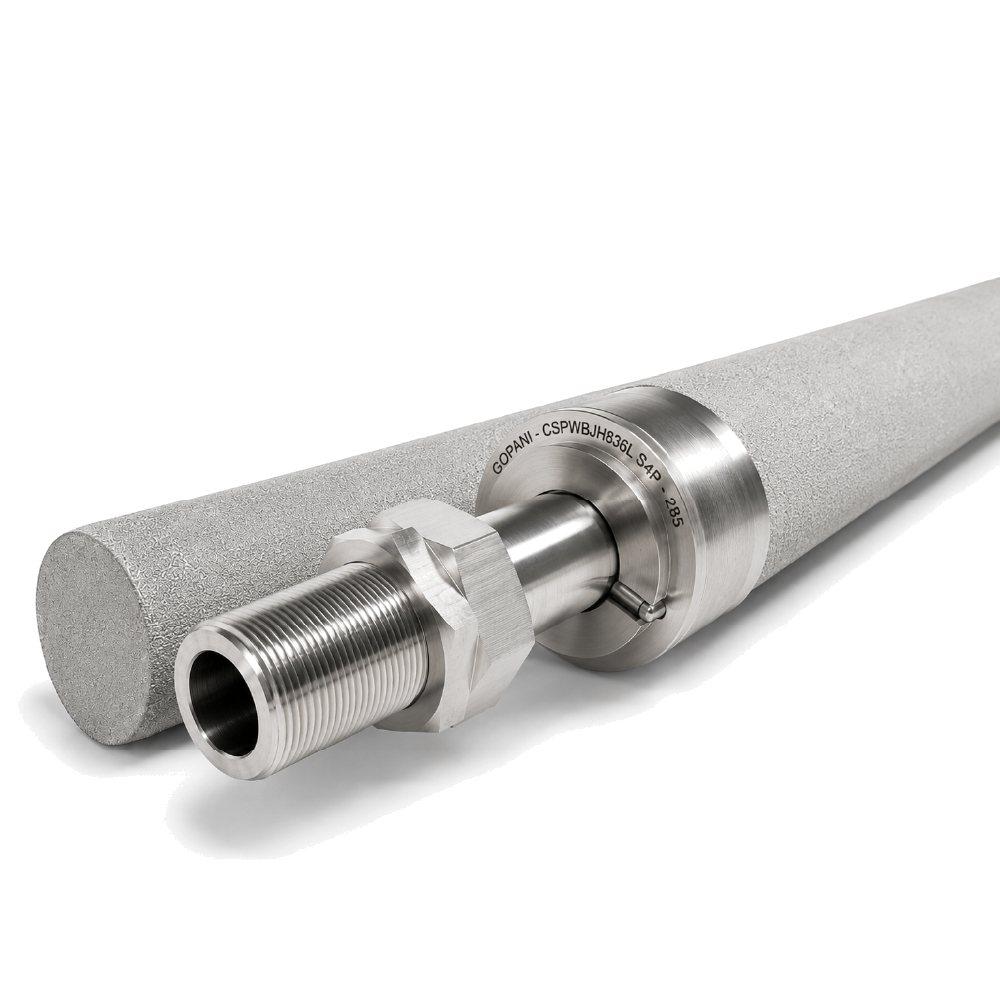
Sintered Metal Filter Cartridges
Clarysynt replacement elements
For the catalyst filter you already run, made to your drawing, sample or dimensions.

String Wound Filter Cartridges
Clarywound GF
Fines from catalyst attrition, after recovery.
Send us your catalyst and your batch. Get back the next step and the evidence it needs.
The catalyst, the batch, the current filtration arrangement and what you want to change. An application engineer replies with the next step and what evidence it needs.
Request a quote