
Industry
Filtration for chemical plants, from bulk solids and catalyst recovery to solvents, acids and the gases around them.
One partner for the filtration points across a chemical plant. Each filter and housing is chosen for the chemical it meets, at its concentration and temperature, and reviewed with you against your process before it goes on line.
- Bulk solids and raw materialsSolids taken out before they reach the reactor, the pumps and the finer filters after them.Explore: Bulk solids and raw materials
- Catalyst recoveryPrecious metal catalyst kept in a closed circuit and returned to the next batch.Explore: Catalyst recovery
- Solvents, acids and reactive chemicalsMedia, core and seals chosen for the chemical, so the filter is not attacked by what it filters.Explore: Solvents, acids and reactive chemicals
- Gases, vents and powdersProcess gas and tank vents kept clean and dry, and gas spread evenly through powder for drying and transfer.Explore: Gases, vents and powders
Chemical process
Protect each step of the chemical process, from raw materials to the vent.
What filtration has to protect at each point in a typical chemical plant. The right filter at each one depends on the chemical, its concentration and its temperature, so it is chosen with you.
- Stage 1
Raw materials and bulk solids
Solids from raw materials, drums and transfer lines are held back ahead of the finer stages, so those stages last and the solids never reach the reactor.Explore: Raw materials and bulk solids - Stage 2
Hydrogenation and catalyst recovery
Precious metal catalyst is held in a closed circuit and backwashed for the next batch, so it is not lost to the filtrate and operators do not open the line to handle the cake.Explore: Hydrogenation and catalyst recovery - Stage 3
Process liquids and solvents
Process liquids, solvents and slurries are cleared of particles before pumps, heat exchangers and the next reaction. A stage that loads too fast means the line is opened for a change-out every few days.Enquire: Process liquids and solvents - Stage 4
Acids and reactive chemicals
Corrosive liquids, acids and hot organic solvents are filtered on media, cores and seals the chemical does not attack. The wrong material softens, swells or sheds fibre into the product.Enquire: Acids and reactive chemicals - Stage 5
Purification and decolourisation
Activated carbon takes out colour, sulfur compounds, chlorine and VOCs and protects catalysts. A stage after it holds back the carbon fines, so they do not travel on with the product.Explore: Purification and decolourisation - Stage 6
Gases and vents
Process air, gases and tank vents are filtered on a membrane that stays dry and open to air, or on sintered metal where temperature or pressure rules out a polymer.Explore: Gases and vents
Swipe for all six stages
Talk to an application engineer about your plant.
Name the stage, the fluid and what you see today: short filter life, haze, a rising differential pressure. We will name the filter for each filtration point.
Applications
Filtration for the reactions and duties chemical plants run.
Each starts from your chemical, its temperature and the flow, so the filter, the housing and the materials are chosen together.
- Hydrogenation
- Catalyst recovery after hydrogenation in pharmaceuticals and API, fine organic chemicals, petrochemicals and aromatics, flavours and fragrances, dyes, pesticides, rubber and additives.Explore: Hydrogenation
- Continuous hydrogenation loops
- In a continuous loop, such as the anthraquinone route to hydrogen peroxide, the catalyst is trapped and backwashed after hydrogenation, fines from catalyst attrition are caught downstream, water and organics are coalesced out, and the catalyst can be blown down quickly at shutdown. Each system is designed with a HAZOP review.Enquire: Continuous hydrogenation loops
- Powder handling
- Porous metal fluidizers spread gas evenly through powder for drying and transfer: chemical, metal, cement, food and pharmaceutical powders.Explore: Powder handling
- Corrosive service and effluent
- Non-metallic housings where steel would corrode: uPVC for chemical processing and for ETP, STP and ZLD systems, and FRP built to ASME Section X for seawater and corrosive fluids.Explore: Corrosive service and effluent
- Utility dosing and solvent transfer
- Filtration ahead of antiscalant and pH dosing, and on alcohol and glycol transfer lines.Enquire: Utility dosing and solvent transfer
Troubleshooting
Common challenges
What each problem looks like on the line, what usually causes it, and the first two things to check.
Stage 2, hydrogenation and catalyst recovery
Likely causes
- Bags bypassing at the seal or the collar
- Bags torn or disturbed at change-out
- Catalyst fines finer than the filter medium, often formed by attrition in the reactor
Check first
- Metal content in the filtrate, batch by batch
- Bag seating and the condition of the basket
What the right fix depends on
The catalyst and its particle size, the solvent, the batch size and cycle time, and the filtration you run today.
The Gopani equipment for this duty:Catalyst recovery systems
Products for this industry
Filters and housings chosen for the chemical they meet.
Ratings, materials and compatibility data are on each product page. An application engineer confirms the fit for your chemical.
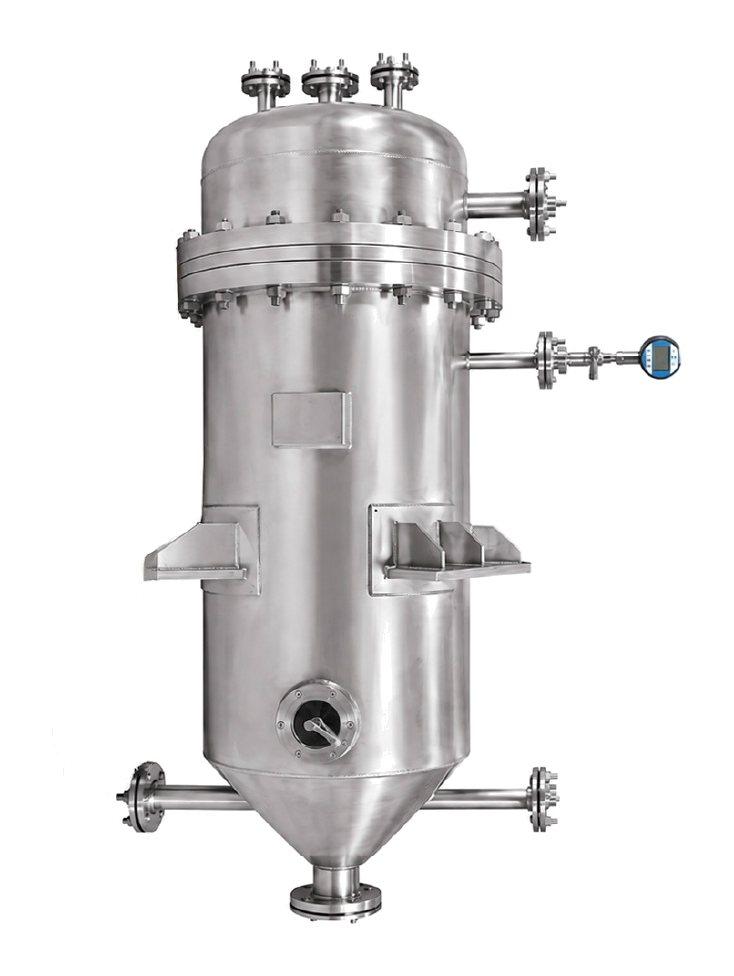
Filter Housings and Systems
Catalyst recovery systems
Catalyst recovery in a closed circuit.
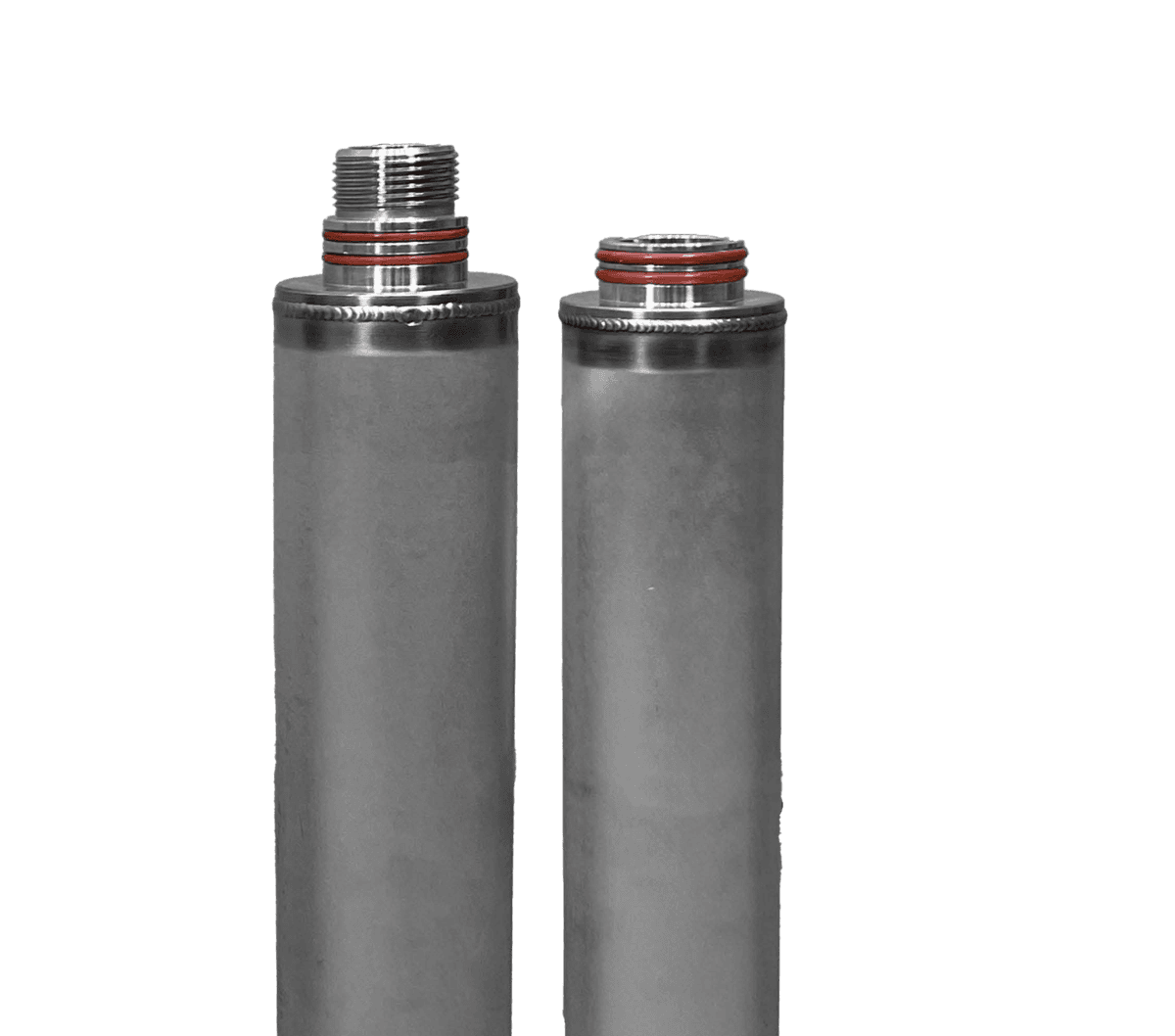
Sintered Metal Filter Cartridges
Clarysynt powder sintered
Catalyst recovery and gases.
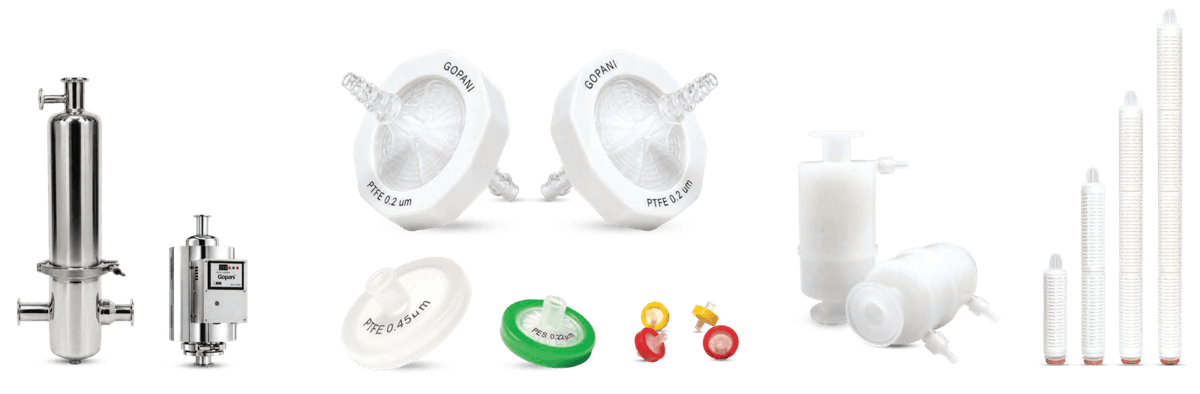
Pleated Filter Cartridges
Kryticalpleat All Fluoropolymer
Aggressive chemicals and gases.

String Wound Filter Cartridges
Clarywound GF
Acids and organic solvents.
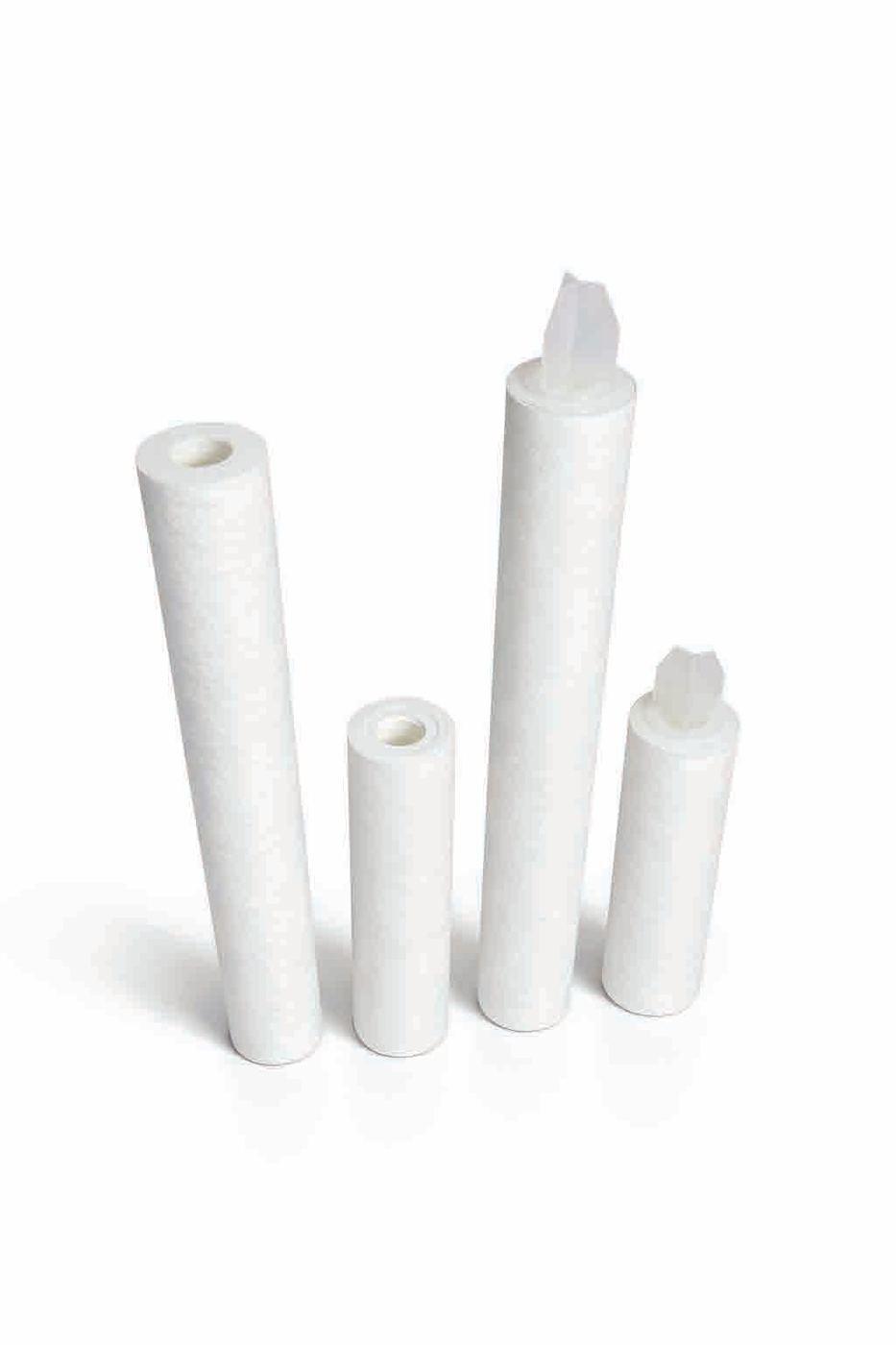
Meltblown Filter Cartridges
RO Protect Extreme
Process liquids, solvents and slurries.
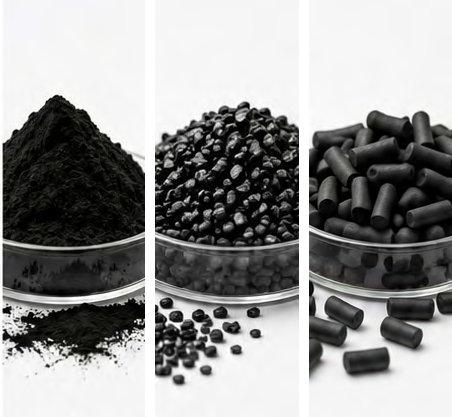
Activated Carbon Filter Cartridges
Clarycarb activated carbon
Purification and catalyst protection.

Filter Bags
Claryfil felt filter bags
Bulk solids.
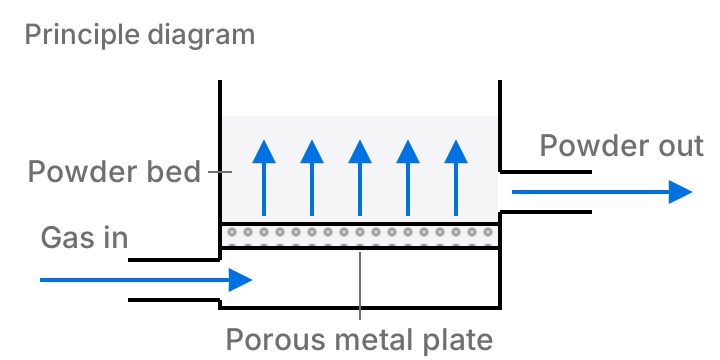
Sintered Metal Filter Cartridges
Fluidizing filters
Powder handling.
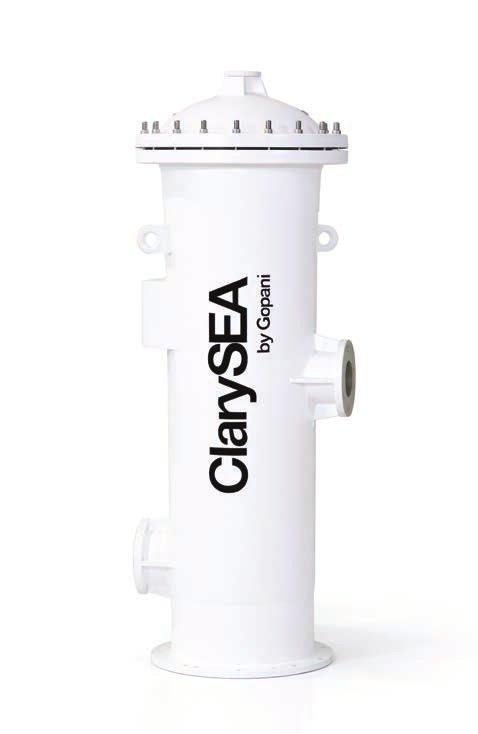
Filter Housings and Systems
ClarySEA FRP housing
Corrosive service.
Related catalogues
Product data and test methods for the lines used in this industry, sent by email on request.
Send us one process stage. Get back the right filter, its documentation and a price.
Tell us the process stage, the fluid and the flow, and the filter you use now: a part number, a photograph or a drawing is enough. An application engineer replies with the Gopani product that fits, its documentation and a quotation.
Request a quote- Talk to an application engineer
WhatsApp or call, Monday to Saturday, IST.
Start a conversation