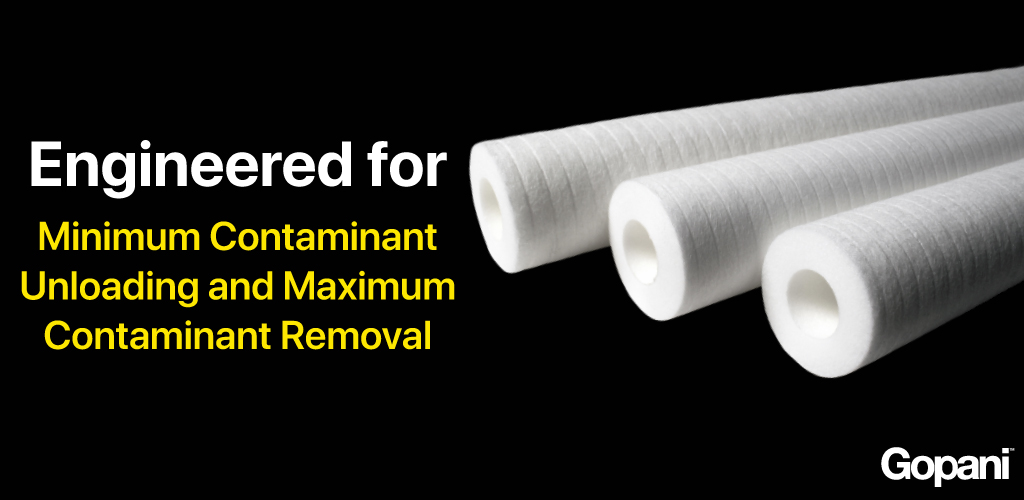
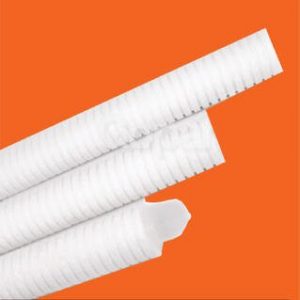
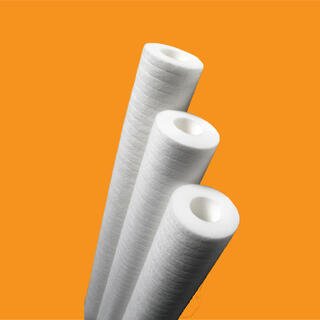
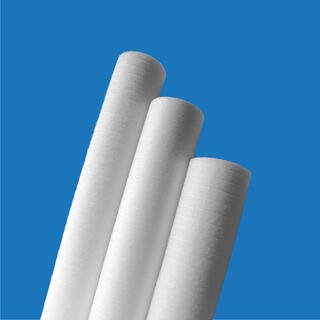
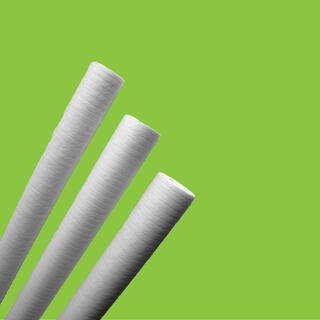
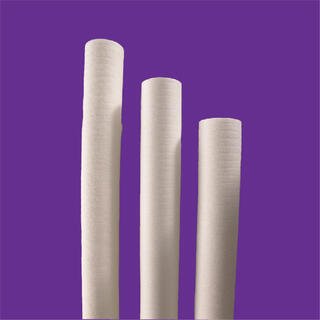
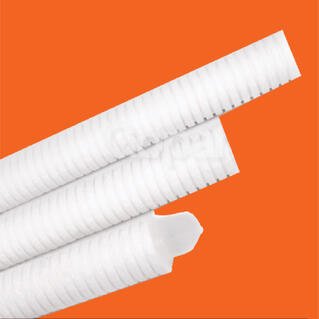
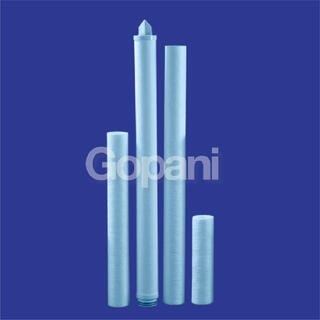
We have engineered the RO protect series of melt blown cartridge filters with excellent filtration and good thermal stability. The filters offer excellent depth filtration and high contaminant removal capacity for applications in desalination, water filtration and waste water treatment.
Liquid filtration can be defined as the selective removal of particles from a liquid by passing it through the chosen medium. Simple, isn’t it? Not that simple. The nature and composition of all liquids are not the same, nor is the purpose of filtration the same. Sometimes, water is treated to make it potable, sometimes it is treated for desalination, and at times to remove oil contamination, the list is endless. In addition to water, various type of alkalis, acids, solvents, inks, and beverages also need to be filtered. This is just the tip of the iceberg! Different liquids are filtered in different conditions. There is no one size fits all solution. Filtration equipment has to be selected based on the type of filtration requirement. There are numerous cartridge filter options like string wound, melt-blown, pleated, and more. The list is exhaustive. In this blog, we will concentrate on the string wound cartridge filters.
What is a string wound cartridge filter?
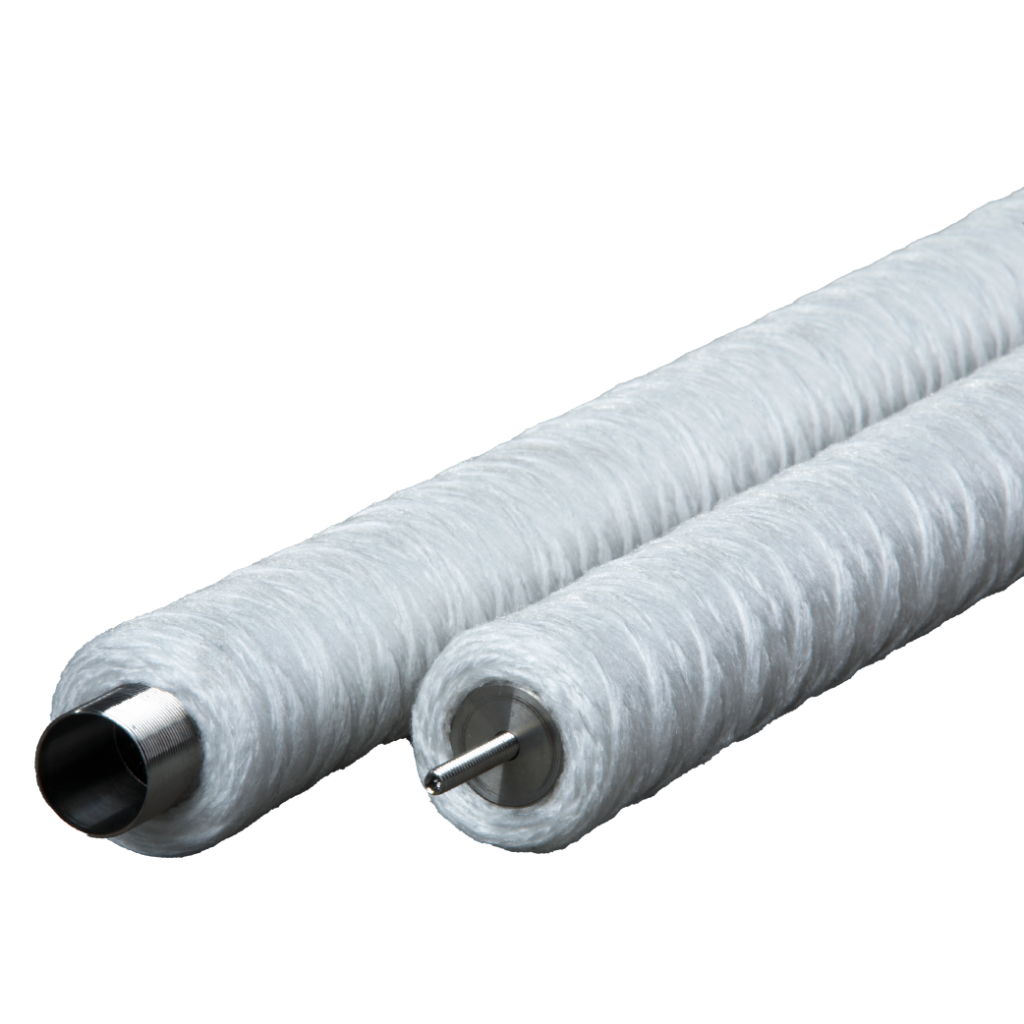
String wound filter cartridge is a type of depth cartridge filter that is made by weaving yarn around a core. Microfibers are twisted and twined together to form a yarn. This yarn is woven in a honeycomb-shaped weave around the core such that it forms a gradient structure to allow better filtration. The quality of a wound filter cartridge hugely depends on the type of yarn, the material of the core, and a controlled manufacturing mechanism that produces a precise micron rating.
Are you looking for good-quality string wound filter cartridges? Consider these 8 things before you buy!
8 things to look for while selecting a string wound cartridge filter
Precise Micron Rating
Micron rating is the most important factor that defines the filtration capabilities of a wound cartridge filter. A smaller micron filter works for finer filtration, and for filtering out particles and sediments that are large, a higher micron rating is apt. Refer to below list for a clear idea:
Contaminants as thick as a human hair – 50 Microns
Contaminants not visible to human eye – 40 Micron
Contaminants of the size of white blood cells – 25 Micron
Contaminants of the size of red blood cells – 8 Micron
Contaminants of the size of Bacteria – 2 Micron
Graded Density Winding
The best quality filters are wound in a graded density – tighter at the core and lighter on the outside. This means that bigger particles get filtered out first and as the liquid passes through the medium, finer particles get filtered out gradually. The winding pattern and controlled thickness of the cartridge filter results in higher dirt holding capacity and increases the life and efficiency of the filter.
Long Service Life
The winding pattern and controlled thickness of the filter cartridge translates to higher dirt holding capacity and increase the life and efficiency of the filter. Longer life means fewer expenses on recurrent buying of cartridges. It also means fewer change outs and reduced disposal costs.
Minimum/NO Media Migration
This reiterates the importance of a good quality yarn in manufacturing of a string wound filters cartridge. The fiber ends of low-quality yarn loosen or break, and migrate into the filtrate through the media. This means, that the quality of filtration deteriorates, and this is not what you want.
No tunnelling
Tunneling happens when the yarn used to manufacture a string wound cartridge filter shifts and rolls easily. Due to the dismantling of the weave structure while packaging, transport, knife-edge sealing and during filtration due to high pressure and flow fluctuations the filtration quality is compromised and maintaining the precise micron rating of the wound filter is a challenge. Structural integrity is one of the primary features to look for in a wound cartridge filter.
No chemical leaching
Chemical leaching is a serious concern as it compromises the quality of the filtrate. Often chemicals, resin binders, lubricants, antistatic, and release agents start leaching out as soon as the filter is put to use. They mix with the filtrate and reduce the efficiency of the filtration process. The solution is a) prewash the filter cartridge, and b) let the liquid flow through for some time before using the filter.
However, to ensure minimum leaching it is the best to use filters that are 100% free of resin binders, lubricants, antistatic, and release agents.
Ability to Sustain High Operating Temperature or Reactive Chemicals
IF your filtration applications involve the use of highly reactive chemicals or high temperatures you need equipment that can withstand this harsh environment. While Polypropylene cartridge filters may succumb to the high temperatures or reactive chemicals involved in the filtration process, wound cartridge filters made from glass fiber can withstand temperature up to 350°C or above.
A Reliable Filtration Partner
In addition to the type and quality of a filter, it is also very important to join hands with a seller/manufacturer who guarantees on-time delivery and post-sales support. Gopaniis your trusted partner/manufacturer/supplier of high-quality string wound cartridge filters.
ISO 9001:2015 certified manufacturer. Quality Aspect – check
Part number coding mechanism, so any product can be easily traced back. End-to-End Trackability – check
Maintains a huge inventory, so delivery is always on time. Timely Delivery – check
40 different tests conducted on both propriety media, and sourced materials. Quality Consistency – check
Proprietary CNC Machines that ensure that each fiber is aligned. Three different tests are done on every batch to ensure filtration efficiency. Genuine Micron Rating – check
A comprehensive portfolio to cater to every filtration need. One stop Destination – Check
Ability to innovate and customize to fulfil unique filtration requirements. Innovation and Customization Quotient – check.
Place an order with Gopani for the best quality string wound cartridge filters. If you need any help or technical support to find out which variant is the best for your requirement, feel free to talk to our experts. Fill out the contact form below and we will get in touch with you.
Check out other String Wound Cartridge Filter variants:
High dirt holding capacity string wound cartridge filters with superior quality cotton media.
Designed for Viscous Fluids and Operating Temperature Upto 120°C.
Premium quality String Wound filter cartridges, great filtration performance at the best price.
String wound cartridge filter with three times more power.
Designed for high dirt holding capacity and filtration excellence.
Glass fibre wound cartridge filter apt for aggressive chemicals and high temperature.
Designed for condensate polishing units in power plants.
In the pharmaceutical and biotechnology industries, filtration plays a crucial role in maintaining sterility, purity, and product integrity. Every drug or vaccine formulation must be produced under tightly controlled environments, where contamination, even at the microscopic level, can compromise safety, efficacy, and compliance.
From raw materials to final formulations, filtration in pharma and biotech ensures that every step of the process meets regulatory and quality standards. At Gopani, we specialise in developing advanced sterile filtration solutions that protect processes, products, and people.
Why Filtration is Critical in Pharmaceutical and Biotech Manufacturing
Pharmaceutical and biotech processes involve liquids, gases, and compressed air, all of which must be free from particulate, microbial, and chemical contaminants. The goal is to achieve purity in pharmaceutical manufacturing by removing unwanted materials without altering the product composition.
Some key objectives of filtration in these industries include:
Achieving sterility assurance for injectable and ophthalmic drugs.
Removing bacteria, pyrogens, and particulates from process fluids.
Preventing cross-contamination during fermentation, formulation, and filling.
Protecting sensitive downstream equipment such as chromatography columns and sterilising filters.
Maintaining regulatory compliance with agencies like the USFDA, EMA, and WHO.
Types of Filtration in Pharma and Biotech
Pharma and biotech filtration processes typically use a combination of depth, surface, and membrane filtration technologies, depending on the stage and application. Gopani’s extensive range of filters addresses every requirement—from coarse clarification to sterile-grade filtration.
1. Pre-filtration
Used to remove visible impurities and particulates from incoming water, buffers, and media.
Gopani solutions:
Clarywound string-wound filters for high dirt-holding capacity.
Claryflow melt-blown cartridges for fine particulate removal.
2. Clarification and Polishing
Removes fine particles before sterilisation or downstream processing.
Gopani solutions:
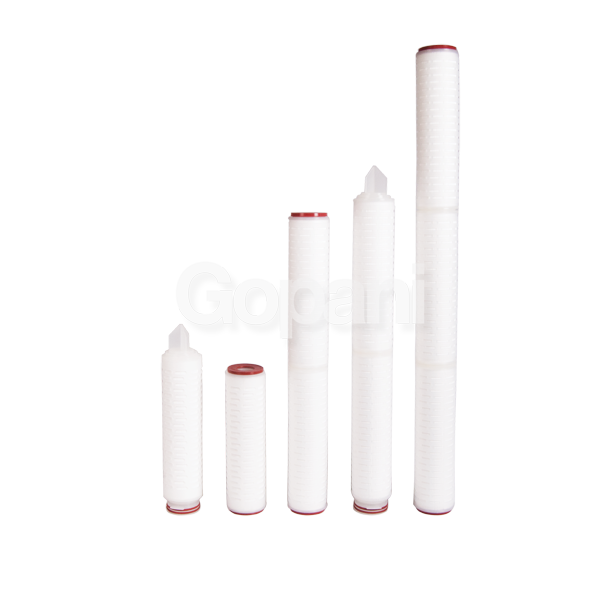
Clarypleat HE pleated cartridge filters for superior flow and clarity.
Clarypleat NE nominal efficiency pleated filters for non-critical operations.
3. Sterile Filtration
This is the critical step of filtration in biotech and pharma production. It ensures absolute removal of bacteria and microorganisms using membranes rated typically at 0.2 μm or finer.
Gopani solutions:
Clarypleat PES and PTFE pleated filters designed for the sterile filtration of gases and liquids.
High temperature and chemically resistant materials suitable for CIP/SIP operations.
4. Vent and Gas Filtration
Ensures sterility of tanks and fermenters by allowing air exchange without microbial ingress.
Gopani solutions:
Sintered metal filters and PTFE hydrophobic membranes for sterile air filtration.
5. Final Filtration and Point-of-Use Filtration
Guarantees product sterility immediately before filling or packaging.
Gopani solutions:
Clarypleat PES filters for final filtration of injectables and critical liquids.
Ensuring Sterility Through Proper Filter Design
Sterility is not achieved by filtration alone; it’s the outcome of careful design, validation, and integrity testing. Gopani’s filters are engineered to deliver consistent retention performance with validated pore-size ratings and materials compatible with pharma-grade fluids.
Features that ensure sterility and purity:
100% integrity-tested filters with traceable batch documentation.
Thermally bonded construction with no adhesives or binders that could leach.
Broad chemical compatibility for solvents, buffer solutions, and biological media.
Compliance with USP Class VI, FDA, and ISO 9001:2015 standards.
Filtration in Biotech: From Cell Culture to Vaccine Production
In biotechnology, filtration supports several critical process stages, such as:
Cell culture media preparation: Removing particulates and microbes from media and nutrients.
Fermentation: Maintaining sterile conditions in bioreactors.
Harvest and purification: Clarifying cell debris and proteins from culture broth.
Vaccine formulation: Sterile filtration before aseptic filling.
Gopani’s pleated and membrane filters are designed for high flow, low differential pressure, and repeated sterilisation cycles — ensuring consistent results across batches
Purity in Pharmaceutical Manufacturing: Meeting Global Standards
Achieving purity in pharmaceutical manufacturing goes beyond visual cleanliness. It involves eliminating trace contaminants, particles, and pyrogens that could compromise drug quality or trigger immune responses.
Gopani’s advanced industrial filtration systems are trusted across leading pharma and biotech facilities for their performance and reliability. Our filters are validated for:
High particulate retention efficiency
Consistent flow rates at varying pressures
Superior dirt-holding capacity and long service life
Compatibility with water-for-injection (WFI) and clean steam systems
Why Choose Gopani for Pharma and Biotech Filtration
With over 30 years of filtration expertise, Gopani Filters is a trusted partner for pharmaceutical and biotechnology manufacturers. Our commitment to innovation, quality, and compliance makes us one of India’s most preferred filter manufacturers.
What Sets Gopani Apart:
Custom-engineered filter designs for process-specific needs
ISO 9001:2015-certified manufacturing
DAkkS-accredited validation and testing
High-performance pleated, melt-blown, and sintered filters
Proven reliability in sterile, hygienic, and cleanroom environments
From pre-filtration to sterile filtration, Gopani provides end-to-end solutions that guarantee sterility, purity, and process efficiency.
Conclusion
Filtration in pharma and biotech is more than a process—it’s a safeguard for patient safety and product quality. With stringent sterility requirements and global compliance standards, choosing the right filtration partner is essential.
Gopani delivers advanced filtration solutions for pharma and biotech, designed to ensure sterile filtration performance, operational reliability, and purity. Whether you’re filtering process water, fermentation media, or critical gases, Gopani provides trusted solutions that keep your production running clean, compliant, and efficient.
Culinary steam plays a vital role in the food and beverage industry, from cooking and sterilisation to sanitising equipment. However, the purity of this steam directly impacts product quality and safety. That’s where sintered metal filters for culinary steam come in, engineered to deliver consistent, contaminant-free, and high-quality steam for food, beverage and pharmaceutical processes.
In this article, we explore the advantages of sintered metal filters, the applications of sintered metal filters in culinary steam systems, and how Gopani’s engineered solutions deliver unmatched performance and reliability.
Why Culinary Steam Needs Filtration
Culinary steam, also called clean steam, is used wherever steam comes in direct contact with food or beverage products. Without proper filtration, contaminants such as rust, scale, and oil residues can compromise taste, hygiene, and compliance with food-grade standards.
By using a sintered filter for steam, operators ensure that only clean, dry steam reaches critical contact points. This improves process integrity, reduces downtime, and protects both product and equipment from contamination.
Advantages of Sintered Metal Filters
The benefits of sintered metal steam filters go far beyond basic particle filtration. They are designed for longevity, efficiency, and regulatory compliance, key requirements for any high-temperature food process.
1. Exceptional Thermal and Pressure Resistance
Sintered stainless-steel filters withstand high operating temperatures and pressure differentials, ensuring consistent filtration in harsh steam environments.
2. High Mechanical Strength
The rigid metal structure resists deformation, corrosion, and fatigue, unlike disposable fibre filters that degrade under constant steam exposure.
3. Reusable and Cost-Effective
These filters can be cleaned and reused multiple times, reducing replacement costs and waste generation, ideal for sustainable operations.
4. Precise and Consistent Filtration
Uniform pore sizes ensure absolute particle retention, preventing rust or scale from entering food-contact zones.
5. Compliance with Hygienic Standards
Gopani’s sintered stainless-steel filters can meet global food-grade requirements and can easily integrate into sanitary housings for culinary steam lines.
When compared to disposable polymer or fabric filters, metal filters for culinary steam provide better lifecycle value, fewer change-outs, and enhanced process safety.
Applications of Sintered Metal Filters in Culinary Steam
The applications of sintered metal filters extend across multiple segments of the food and pharmaceutical industries, where steam purity is critical. Typical use cases include:
Food and beverage processing: Steam injection, cooking, and sterilisation of kettles, blanchers, and retorts.
Beverage filling lines: Steam is used for bottle and cap sterilisation.
Pharmaceutical and API manufacturing: Clean steam for process sterilisation and sanitisation.
Bakeries and dairies: Steam for proofing, drying, and heating applications.
Breweries: Steam for keg sterilisation and fermentation area sanitation
Each of these environments benefits from Gopani’s industrial water and steam filtration solutions, known for reliability and precision.
How Sintered Filters Work in Culinary Steam Systems
A sintered filter for steam is created by compacting and sintering metal powder (typically stainless steel) to form a porous yet durable structure. This allows steam to pass while trapping fine particles.
The graded porosity provides depth filtration, capturing both large and microscopic contaminants. As a result, steam exiting the filter is pure, dry, and compliant with hygienic standards, perfect for culinary applications.
Why Use Sintered Filters for Culinary Steam
Many engineers ask, Why use sintered filters for culinary steam when cheaper polymer options exist? The answer lies in performance and compliance. Sintered filters maintain structural stability at high temperatures, do not shed fibres, and ensure long-term reliability. In environments where hygiene and consistency are non-negotiable, this makes them the clear choice.
Gopani’s Expertise in Sintered Metal Filters
Gopani manufactures a wide range of sintered metal filters tailored for both culinary steam and industrial filtration. Each filter is engineered using premium 316L stainless steel or other high-grade alloys to ensure:
High filtration efficiency and consistent flow rates
Excellent corrosion and temperature resistance
Easy cleaning and reusability
Long service life and reduced maintenance cycles
With ISO 9001:2015 certification and DAkkS-accredited quality, Gopani’s sintered filters are trusted by global clients in food, beverage, chemical, and pharmaceutical industries.
Choosing the Right Culinary Steam Filter
When selecting the best sintered filter for steam, consider:
1. Steam quality and pressure conditions
2. Pore size and filtration rating (typically 1–5 microns)
5. Compliance requirements (3-A, FDA, or ISO standards)
Gopani’s experts can guide you through choosing the right filter for your industrial water or steam treatment system, ensuring safety and performance at every stage.
Conclusion
In today’s food, beverage, and chemical industries, industrial wastewater treatment challenges and steam purity demands are closely linked. Whether you need solutions for industrial wastewater treatment or filtration in API manufacturing, reliable sintered filters are essential for compliance and efficiency.
By using sintered metal filters for culinary steam, plants achieve cleaner operations, improved product safety, and lower lifecycle costs.
Catalysts play a pivotal role in chemical processes and API (Active Pharmaceutical Ingredient) manufacturing by accelerating reactions and enabling higher yields under manageable conditions. However, catalysts also represent a significant operational cost, particularly when they contain precious metals or specialty materials. Efficient catalyst recovery is therefore essential not only for economic return, but also for sustainability, waste minimization , and reliable process filtration . In this article, we explore the common challenges, catalyst recovery techniques, and how advanced filtration for catalyst recovery, including Gopani’s engineered filter solutions, can transform operations in the chemical and API sectors.
Why Catalyst Recovery Matters
In the chemical and API industry, achieving high catalyst recovery efficiency is critical. When catalysts are lost or contaminated during reaction and separation steps, the cost of replenishment, waste disposal, and process interruptions escalates. Moreover, environmental and regulatory pressures make chemical industry catalyst recovery and efficient reuse essential for sustainability. Modern recovery systems, integrated with filtration in API manufacturing, allow processes to reclaim catalysts, purify process streams, and minimize waste.
Examples include precious-metal catalysts (palladium, platinum, rhodium) or Raney nickel, often used in hydrogenation or specialty chemical reactions. In these cases, specialized catalyst separation technologies and filters ensure high recovery rates (often > 99 %) while keeping filtrate quality and process uptime high.
Common Challenges in Catalyst Recovery
Variability in Catalyst Form and Concentration
Catalysts may exist as fine powders, slurries, coated structures, or precious‐metal particles. Filtration and separation become tricky when particles are sub-micron, dense, or in corrosive/ high-temperature fluids. That makes industrial wastewater treatment challenges relevant when catalysts enter waste streams.
Contaminated Filtrate / Catalyst Loss
If filtration media are not precise, catalysts may pass through or become entrapped inefficiently, causing reputational and economic losses. Maintaining high catalyst recovery efficiency is critical.
Harsh Process Conditions
API manufacturing and specialty chemical processes may operate under high temperature, high pressure, aggressive solvents or acids. Filtration and recovery systems must be built for chemical process filtration under extreme operating conditions.
Waste & Environmental Impact
Discarded catalysts or contaminated process fluids contribute to waste streams. Effective recovery supports sustainable catalyst recovery and waste minimization in the chemical industry.
Downtime & Maintenance
Frequent filter changeouts, downtime for cleaning, or leaks/spills can degrade process efficiency. Robust catalyst recovery systems must support easy cleaning, minimal downtime, and long service life.
Filtration Techniques for Catalyst Recovery
Several catalyst recovery techniques are in use across industries. Key methods include catalyst filtration systems suited to different catalyst types and process conditions
Filtration (surface or depth): For heterogeneous catalysts, filtration remains a preferred method because it separates catalysts based on physical/chemical differences.
Cross-flow / tangential flow filtration: Especially useful for dense slurries or small catalyst particles.
Sintered metal filters: Provide high mechanical strength, corrosion/thermal resistance and are reusable, ideal in harsh process conditions.
Backwashable / automated systems: These help in cleaning filters in situ without system shutdown.
Catalyst recoverysystems: Integrated skids combining filtration, cake removal, wash, reclaim and system controls.
Each technique must be aligned with catalyst type, particle size, slurry concentration and fluid chemistry.
Gopani’s Filtration Solutions for Catalyst Recovery
When you require filtration for API manufacturing or catalyst recovery in chemical manufacturing, Gopani offers engineered filter media and housings built for rigorous conditions. Key features include:
By leveraging Gopani’s solutions, chemical and API plants can achieve higher catalyst recovery rates, improved process uptime, and lower overall lifecycle costs.
Case in Point: Catalyst Recovery in API/Hydrogenation
In an API hydrogenation step using palladium-on-carbon, the catalyst slurry must be filtered to reclaim valuable palladium and supply a clarified filtrate for downstream processing. This is a typical application of precious metal recovery filtration, where both catalyst value and filtrate clarity are critical. Using sintered metal filtration elements, with proper alloy selection and in-situ cleaning, enables recovery of the catalyst cake, minimal loss ( less than 1 ppm), and improved process uptime. The system supports sustainable catalyst recovery and maintains product integrity for pharma downstream steps.
Designing an Efficient Recovery Workflow
To build an effective catalyst recovery system, follow these steps:
Select appropriate media and technology: For harsh fluids and fine particles, sintered metal filters; for moderate loads, depth filtration may suffice.
Design for recovery and reuse: Filter housings with cake discharge, back-wash or CIP systems reduce downtime.
Ensure process integration: Downstream clarity (filtrate quality) and upstream catalyst recycling loop must be efficient.
Ensure safety & containment: Catalyst slurries may be hazardous, leak-proof filters, proper venting, closed systems are essential.
Optimize lifecycle cost: Choose filters with long service life, few change-outs, minimal maintenance to enhance catalyst recovery efficiency and process economics.
In the chemical and API industries, catalyst recovery is no longer optional- it’s essential for cost-control, process integrity and sustainability. Facing challenges such as variable slurry properties, harsh chemistry, complex separation and waste generation, operators must adopt advanced filtration for catalyst recovery, catalyst recovery systems, and integrated separation workflows. Partnering with filtration specialists such as Gopani ensures you can deploy solutions that are built for your process needs, whether that’s sintered metal filter elements, custom housings, or turnkey systems for catalyst separation technologies. The right solution enables you to reclaim your catalysts, safeguard product quality, minimize waste and drive operational excellence.
Every chip that powers your phone, laptop, or car is built in a highly controlled environment where even the tiniest particle can ruin an entire batch. Semiconductor manufacturing depends on a resource most people take for granted: water. Not just clean water, but water purified to a level so extreme that it is almost free of measurable impurities. This is known as ultrapure water (UPW) filtration, which forms the foundation of wafer production worldwide.
Fabs cannot run without UPW. They use millions of gallons each day to rinse wafers, mix chemicals, and clean tools. Regular purified water does not meet the strict standards needed. Instead, fabs rely on high-purity water filtration systems that combine membranes, ion exchange, and polishing steps to reach extraordinary quality.
In this blog, we look at how semiconductor water filtration technologies work, why they matter, and how they are expanding into solar and microelectronics industries.
Why does water purity affect electronics yield?
Semiconductor and electronics manufacturing require defect-free surfaces — even a microscopic contaminant can lead to product failure. This is true for chips, solar cells, SSDs, LCDs, and LEDs alike.
What ultrapure water really means
UPW is water treated until it is almost free of measurable impurities like ions, organics, silica, bacteria, and particles. It targets very high resistivity and extremely low total organic carbon.
It is not enough to achieve purity at the central plant. What really matters is the quality of the water at the exact point where it touches the wafer, panel, or circuit. That is why UPW for semiconductor manufacturing and microelectronics includes central treatment, storage, distribution, and final polishing at the point of use.
Many still ask how UPW differs from reverse osmosis water. RO is only a pre-treatment step. UPW goes further with ion exchange or EDI, ultraviolet oxidation, degasification, ultrafiltration, and point-of-use membranes. This broader stack fits the needs of water treatment in the semiconductor industry and electronics manufacturing.
The UPW treatment train from intake to the point of use
Pre treatment
Intake screening and media filtration to remove suspended solids
Activated carbon or advanced adsorbents to reduce organics and chlorine
Reverse osmosis to remove most dissolved ions and organics
Make-up water and polishing
Ion exchange or electrodeionisation to reach very high resistivity
Ultraviolet oxidation to crack trace organics, followed by TOC reduction
Membrane degasification to remove dissolved oxygen and carbon dioxide
Ultrafiltration to capture fine colloids and particles ahead of storage
Point of use
Final membranes tailored to the process step. Here, nanofiltration and microfiltration for UPW protect wafers, panels, and discs at the moment of contact
Careful piping and valve design to avoid microbial growth or particle shedding
Across these stages, semiconductor water filtration technologies and electronics-grade UPW systems are designed with redundancy, switchover logic, and validated maintenance cycles. The aim is simple: maintain water quality during ramp-up, shift changes, and utility swings without s
Keeping purity stable with monitoring and control
Even the best plant needs tight monitoring. Online sensors track particles, TOC, resistivity, silica, and dissolved gases. Alarms link to interlocks so that off-spec water never reaches production tools. Data is logged for root cause analysis and predictive maintenance.
This operational discipline is part of advanced filtration technologies in semiconductor fabs and electronics plants. Hardware is critical, but so are software controls and operator practices.
Sustainability and water reuse inside fabs
Water supply security is now a strategic issue. Leading fabs and electronics manufacturers reduce intake with internal recycling loops. Rinse streams are cleaned and returned to the UPW plant. Concentrate from RO is diverted to cooling towers or other non-critical uses. Energy efficiency is improved with smarter pumps, low-fouling membranes, and optimised cleaning cycles. These steps protect the supply while reducing the total cost of ownership.
Conclusion
Ultrapure water is the unseen backbone of advanced manufacturing. It safeguards chips, solar cells, storage media, and displays from invisible defects. At Gopani, we design, manufacture, and supply filtration solutions that make this possible.
Our UPW portfolio supports every stage of a plant: pretreatment, make-up water, and polishing before the point of use. With cartridges, capsules, housings, and engineered systems, we help both UPW system builders and end users meet exacting purity standards while improving reliability and sustainability.
Whether your challenge is scaling UPW for semiconductor manufacturing, enabling defect-free microelectronics, or ensuring quality in solar and display technologies, our team brings practical solutions designed for long-term confidence. By focusing on advanced water purification for semiconductors, we ensure fabs and electronics plants have the reliability they need, and UPW system providers have the tools to deliver.
Applications of Sintered Metal Filters in Culinary Steam
How Sintered Filters Work in Culinary Steam Systems
Catalyst Recovery and Process Filtration Connection
Why Use Sintered Filters for Culinary Steam
Gopani’s Expertise in Sintered Metal Filters
Choosing the Right Culinary Steam Filter
Conclusion
Reverse osmosis (RO) systems are the backbone of modern water treatment, delivering clean, purified water across industries. However, the efficiency and longevity of these systems depend heavily on effective pretreatment. High flow cartridges have emerged as a critical component in RO pretreatment, offering superior performance where conventional filters fall short.
In this blog, we’ll discuss what high flow cartridges are and when to use high flow cartridges in RO systems. We’ll also see how to choose the best for your needs and some implementation best practices.
Understanding High Flow Cartridges
High flow water filter cartridges are engineered to handle significantly larger volumes of water while maintaining consistent filtration performance. Unlike standard cartridges that typically process 5–50 GPM (1 m³/hr / Change inset correct number based on 1 m3/hr LPM), high flow cartridges can manage up to 60-80 m³/hr (~350 GPM / ~1,333 LPM) per filter element. That’s more than 10 times the capacity of similar standard filters.
This high throughput is enabled by:
Optimized pleat geometry that maximizes surface area while minimizing pressure drop
In-to-out (inside-out) flow design, which enhances dirt-holding capacity and ensures contaminants remain trapped inside the cartridge during change-out
However we have out to In design as well which equally processes flow rate , but it holds the dirt on the outside – formalise this statement
The result is extended service life, faster change-outs, and a significantly smaller system footprint. In fact, high flow cartridges can achieve over 40% footprint reduction compared to conventional cartridge systems.
When Standard Cartridges Aren’t Enough
Several scenarios demand the superior capabilities of these cartridgesin RO pretreatment:
High Volume Applications: Industrial facilities processing thousands of gallons per hour require high-capacity cartridges. Standard filters would need multiple housings, adding system complexity.
Space Constraints: With their higher flow per element, high flow cartridges reduce element count and housing requirements, saving up to 40% system footprint.
Challenging Water Sources: Feedwater with heavy sediment or variable quality quickly clogs standard cartridges. High flow designs offer 3–5× higher dirt-holding capacity, extending replacement intervals.
Cost Optimization: While high flow cartridges have higher upfront costs, they deliver exceptional value through extended service life, reduced labor costs, and lower total cost of ownership.
Safety in Change-Outs: The inside-out flow keeps contaminants securely inside the cartridge, minimizing operator exposure and preventing cross-contamination.
Applications in RO Pretreatment Filter
High flow cartridges excel in multiple RO pretreatment applications:
Water Treatment: RO prefiltration, seawater desalination pretreatment
Power Generation: Condensate water filtration, hot water recovery
Biopharma: Active pharmaceutical ingredients (APIs), solvents, process water
Microelectronics: Film, fiber, and resin manufacturing
Their broad chemical compatibility and temperature resistance up to 120 °C make them suitable for a wide spectrum of applications.
Benefits of High Flow Cartridges in Water Pretreatment
Enhanced Efficiency: Up to 80 m³/hr per cartridge = fewer housings and simplified design.
Superior Dirt-Holding Capacity: Multi-layer, depth-pleated construction captures more contaminants, extending service intervals.
Reduced Maintenance: Fewer elements mean faster, easier change-outs and lower labor costs.
Consistent Performance: Stable pressure drop across service life ensures RO membranes are reliably protected.
Environmental Impact: Fewer cartridges disposed = less waste and reduced disposal costs.
Lower Cost of Ownership: Optimized performance lowers filtration time and capital costs.
Key Differences Between High Flow and Standard Filter Cartridges
Understanding these differences helps in making informed selection decisions:
Feature
Standard Cartridges
High Flow Cartridges (RO Protect HF)
Flow capacity
5–50 GPM (1–11 m³/hr)
Up to 80-100 m³/hr (~350 GPM) per element
Physical size
Smaller, multiple housings
Larger 6-inch diameter, fewer housings
Dirt-holding capacity
Limited
Upto 5-10X
Service life
Shorter, frequent change-outs
Extended intervals, safer change-outs
System footprint
Larger arrays required
Up to 40% footprint reduction
Cost impact
Higher operational cost
Lower capital + operating cost
Selecting the Right High Flow Solution
An advanced variant, RO Protect HF-DPP filter cartridges, enhances performance further by combining:
Depth filtration with graded pore structure
Multi-layer pleated geometry
Superior gel and agglomerate removal
This results in higher efficiency, longer service life, and enhanced contaminant removal, making HF-DPP ideal for critical process filtration in biopharma, microelectronics, and food & beverage sectors.
Implementation Best Practices
Successful implementation of high flow cartridges in RO pretreatment requires attention to detail:
System Design: Engineer the pretreatment system to accommodate high flow rates without creating turbulence or channeling.
Monitoring: Implement pressure differential monitoring to optimize changeout timing and maintain consistent performance.
Staging: Consider multi-stage filtration with progressively finer micron ratings for optimal protection.
Quality Assurance: Select certified cartridges that meet industry standards for RO pretreatment applications.
Industrial RO Pretreatment Solutions
Modern industrial RO pretreatment solutions leverage these cartridge technology to deliver superior performance. These systems combine advanced filter media, optimized housing designs, and intelligent monitoring to maximize RO system efficiency and longevity.
The integration of these cartridges in pretreatment systems represents a significant advancement in water treatment technology. By processing larger volumes more efficiently, these solutions enable industries to meet growing water demands while maintaining quality standards.
Conclusion
High flow cartridges, especially advanced variants like RO Protect HF and HF-DPP—represent a paradigm shift in RO pretreatment technology. With 10× higher flow rates, 40% smaller footprints, safer change-outs, and broader industrial compatibility, they help industries meet rising water demands without compromising efficiency or reliability.
By analyzing flow demands, water quality, and operating conditions, and by implementing best practices, you can significantly enhance RO system performance, reduce operational costs, and extend the lifespan of your membranes. For industries looking to optimize water treatment, a high flow cartridge filter for RO offers unmatched efficiency, reliability, and value.
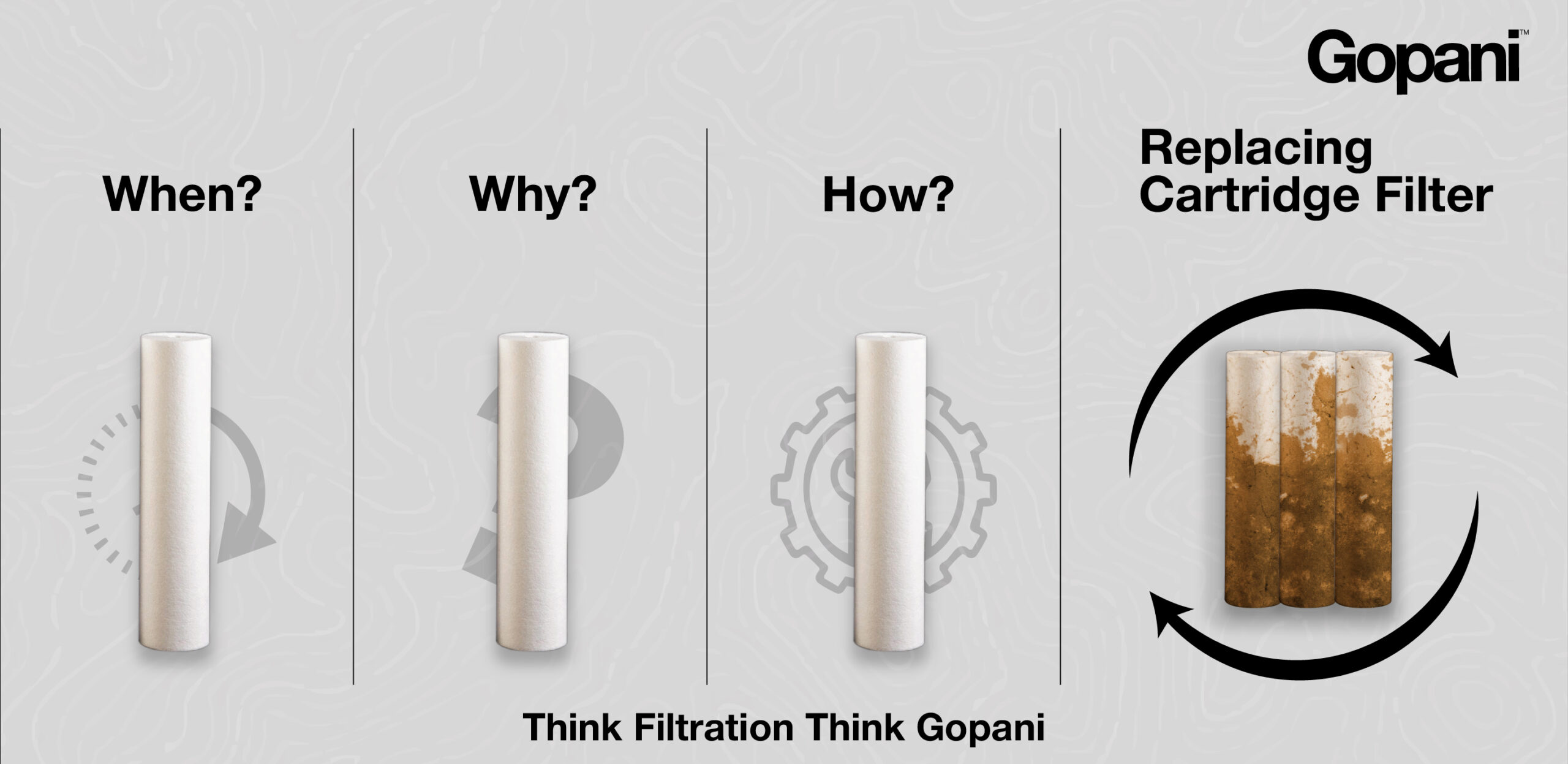
Filtration is a fundamental process in industries such as water treatment, pharmaceuticals, food and beverage, and petrochemicals etc. Cartridge filters, often the backbone of these systems, perform high-precision filtration, ensuring contaminants are removed effectively. Over time, as filters trap particulates, their performance declines, increasing system pressure and reducing flow rates. Replacing these filters on time is critical not only for maintaining operational efficiency but also for avoiding potential damage to equipment and contamination of products.
This guide provides an in-depth understanding of filter types, signs that indicate replacement is necessary, and a detailed procedural framework for cartridge replacement.
Types of Cartridge Filters
Cartridge filters are broadly classified into two types: depth filters and surface filters, each designed for distinct filtration applications.
Depth Filters
Depth filters are multi-layered media designed to trap particles throughout the thickness of the filter media. These filters excel in retaining a wide range of particle sizes, making them suitable for applications with high levels of particulates.
Technical Construction: Depth filters are typically made from fibrous materials such as cellulose, fiberglass, or polypropylene. These fibers are arranged in a gradient density format, where the outer layers capture larger particles while the finer inner layers trap smaller contaminants.
Advantages:
High dirt-holding capacity due to volumetric filtration.
Longer operational lifespan in high-particulate environments.
Cost-effective for pre-filtration and high-load applications.
Limitations:
Less effective for precise particle size removal compared to surface filters.
Filtration efficiency changes with clogging flow rate drops.
Surface Filters
Surface filters capture particles on their outer surface, providing precise and consistent filtration. These filters are often pleated to increase the filtration surface area while maintaining a compact size.
Technical Construction:
Surface filters are made from membranes like polyester, nylon, Polypropylene, PES, PVDF, PTFE, or stainless steel mesh, with uniform pore sizes for selective filtration.
Advantages:
High filtration precision due to consistent pore size.
Suitable for final filtration stages requiring sterile or ultra-pure outputs.
Lower dirt-holding capacity compared to depth filters.
Susceptible to clogging in high-load applications without pre-filtration.
Difference Between Depth and Surface Filters
Depth Filters
Surface Filters
Multilayer structure
Single-layer structure
Traps particles throughout media
Double Layer
High dirt-holding capacity
Captures particles on surface
Suitable for high particulate loads
High filtration precision
Suitable for fine particle contaminant filtration
When to Replace a Cartridge Filter
Pressure Differential Monitoring
The most reliable metric for determining when to replace a cartridge filter is the pressure differential (ΔP) across the filter. As particulates accumulate, ΔP rises. Most systems are designed to trigger a filter replacement at a specific ΔP. Pressure gauges installed upstream and downstream of the filter housing provide real-time ΔP readings.
Manufacturer’s Recommended Lifespan
Manufacturers specify a general lifespan for cartridge filters, typically ranging from days to weeks, depending on their dirt-holding capacity and intended use. However, the actual lifespan may vary significantly due to factors such as contaminant concentration, flow rate, and system operating conditions.
Quality degradation in Output
Observable changes in the quality of filtered liquid, such as cloudiness, discoloration, or particulate presence, indicate that the filter is no longer effective. Similarly, in sterile applications, microbial breakthrough or contamination is a clear sign of filter failure.
Physical Condition of the Filter
Visual inspection of the cartridge can reveal excessive dirt accumulation, discoloration, or physical deformities such as cracks or warping. These are indicators that the filter must be replaced immediately.
Why Replacing a Cartridge Filter Matters
Replacing a cartridge filter isn’t just routine maintenance, it’s a critical step to keep systems running smoothly and efficiently. Filters that are clogged cause pressure to rise, forcing pumps to work harder and increasing energy costs. Over time, this strain can damage downstream equipment and disrupt entire operations.
In industries like pharmaceuticals, food and beverage, and bottled water, the consequences of poor filtration go beyond inefficiency, they can lead to contaminated products, regulatory violations, and costly production shutdown. Timely replacement ensures that flow rates remain stable, filtration quality stays consistent, and the overall system performs at its best.
How to Replace a Cartridge Filter
System Shutdown and Preparation
Turn off the filtration system to ensure safety.
Depressurize the system by opening the air vent valve and draining residual liquid from the housing.
Ensure all necessary tools, including wrenches, cleaning supplies, and replacement cartridges, are ready for use.
Disassembly of Filter Housing
Unscrew the housing lid using the appropriate tools. Exercise caution to prevent spillage or contamination.
Detach the alignment plate, springs, and wingnuts that secure the cartridge filters.
Removal of Used Filters
Carefully remove the spent cartridges, avoiding any disturbance to the collected debris.
Inspect the removed filters for fouling patterns, which can provide insights into upstream inefficiencies or unexpected contaminant types.
Inspection and Cleaning of the Housing
Examine the interior of the housing for signs of corrosion, dirt buildup, or microbial growth.
Clean the housing thoroughly using a compatible cleaning agent. Rinse with deionized water if the application requires high purity.
Allow the housing to dry completely before proceeding.
Installation of New Filters
Remove the protective packaging from the new cartridges.
For depth filters, ensure they are aligned to allow uniform flow through their layered media. For pleated surface filters, confirm proper orientation for optimal contact with the flow.
Secure the cartridges in place using the alignment plate, springs, and wingnuts. Verify that all components are properly tightened to avoid displacement during operation.
Reassembly of Housing
Inspect the O-ring for wear or damage. Clean and lubricate the O-ring to ensure an airtight seal. Replace it if necessary.
Reattach and tighten the housing lid securely to prevent leaks.
System Testing and Purging
Gradually introduce liquid into the system to prevent a sudden pressure surge.
Purge trapped air by running liquid through the system until it flows smoothly without interruptions. Close the air vent valve once air is eliminated.
Monitor the system for leaks, pressure stability, and flow rate consistency.
Tips to Prolong Cartridge Filter Lifespan
Maximizing cartridge filter lifespan relies on proactive maintenance and proper usage practices. In high-load systems, using pre-filtration solutions with coarser filters reduces the strain on main cartridges, preventing premature clogging. Spare filters should always be stored in a clean, dry environment, kept in their original packaging to avoid damage. Additionally, regular cleaning and maintenance of filter housings, seals, and O-rings are essential to prevent leaks and ensure efficient filtration.
Common Mistakes to Avoid
Common errors can significantly shorten filter life and reduce efficiency. Reusing disposable filters compromises their performance and risks contaminant bypass. Ignoring signs of wear and tear, such as rising pressure differentials or reduced flow rates, can lead to costly damage. Lastly, using incompatible filters for specific applications can result in filter breakdown and process contamination. Matching the filter material to chemical and thermal requirements is crucial for consistent performance and reliability.
Why Choose Gopani?
At Gopani, we provide high-quality filtration solutions for industries. Our cartridge filters are made with advanced materials to capture more dirt, offer precise filtration, and last longer. We test our filters carefully to ensure top quality. Industries like pharmaceuticals, water treatment, and petrochemicals trust our filters for their needs.
Replacing a cartridge filter is a fundamental yet technically involved process that ensures optimal filtration efficiency and system longevity. Understanding the differences between depth and surface filters allows operators to choose the right filter for their specific needs. Adhering to a structured replacement protocol minimizes downtime, enhances operational safety, and maintains product quality. For more advanced systems, implementing automated pressure monitoring or predictive maintenance tools can further optimize filter management, reducing manual intervention and operational costs.
Filtration is the process of removing unwanted particles, contaminants, or impurities from liquids or gases to meet specific purity standards. At its core, filtration is critical in industries ranging from food and beverage to pharmaceuticals and oil refining. The efficacy of filtration systems often hinges on micron ratings, which define the size of particles a filter can retain or capture. These ratings can be categorized broadly into nominal and absolute, each serving distinct applications.
How Does a Process Filtration Work?
Filtration System functions by forcing a fluid (liquid or gas) through a porous material that captures particles. Depending on the application, filters may operate through surface filtration, where particles are trapped on the filter’s surface, or depth filtration, where contaminants penetrate into multiple layers for retention.
What is Micron Rating?
In simple terms, a micron rating is the measure of a filter’s capability to remove particles of a specified size, with “micron” representing one-millionth of a meter. Understand micron ratings in detail.
Nominal Micron Rating
Nominal micron rating indicates the filter’s capability to retain a specific percentage of particles at the rated size. For example, a nominal 10-micron filter might remove 85% (specified by manufacturer) of particles sized 10 microns or larger. This percentage varies across manufacturers, typically ranging between 50% to 90%.
Nominal filters are commonly used in processes where absolute precision is not critical, such as pre-filtration in water treatment plants or filtration in automotive and HVAC (Heating, ventilation, and air conditioning) systems:
Benefits:
Lower cost compared to absolute filters.
Suitable for non-critical applications, reducing operational expenses.
High flow rates due to less restrictive media.
Downsides:
Limited filtration accuracy, which can lead to the passage of larger contaminants.
Unsuitability for high-purity or regulated industries.
Statistical data indicates that nominal filters dominate sectors such as automotive cooling systems, where removing all contaminants is less critical than maintaining throughput efficiency.
Absolute Micron Rating
Absolute micron ratings are more precise, guaranteeing the removal of nearly all particles of the stated size (typically ≥ 98%). Filters with absolute ratings use high-quality materials and are rigorously tested under strict standards, such as Beta Ratio testing, to validate their efficacy.
Industries relying on absolute filters include pharmaceuticals, food production, and microelectronics, where purity is paramount. For instance, an absolute 5-micron filter ensures that no more than 2% of particles sized 5 microns or above escape.
Essential for meeting regulatory compliance in critical applications.
Downsides:
Higher costs due to the use of advanced materials and testing protocols.
Potential for reduced flow rates because of tighter pore structures.
Absolute filters are integral to applications like sterile manufacturing or ultrapure water production, where even minor contaminants could compromise outcomes.
Nominal vs. Absolute: Which is Better?
The choice between nominal and absolute filters depends entirely on the application’s requirements. Nominal filters are better suited for preliminary filtration or non-critical processes where cost and flow efficiency are prioritized. In contrast, absolute filters are perfect in high-stakes environments demanding stringent particle retention and compliance with regulatory standards. While absolute filters ensure superior retention, they come at a higher cost and may affect flow rates, making them less practical for everyday filtration needs.
Conclusion
Understanding the distinction between nominal and absolute micron ratings is key to optimizing filtration efficiency and meeting process-specific goals. While nominal filters serve cost-effective, general-purpose applications, absolute filters are indispensable for industries where precision is non-negotiable. The ideal choice balances the filtration needs, operational costs, and industry standards.
FAQ
1. What does a micron rating mean in filters?
A micron rating typically denotes the smallest particle size a filter can capture. The smaller the rating, the finer the filtration.
2. Is nominal filtration sufficient for drinking water?
For basic drinking water filtration, nominal filters may suffice. However, for microbiological safety, absolute filters are recommended.
3. What’s the lifespan of a nominal vs. absolute filter?
Lifespan depends on particle load usage and material. Nominal filters typically have longer service.
4. Can I use an absolute filter for pre-filtration?
While possible, it is often not cost-effective. Pre-filtration typically benefits from nominal filters to protect downstream absolute systems.
5. How do I decide between nominal and absolute filters?
Consider the industry standards, required purity level, budget constraints, and operational flow rate when selecting a filter type.
The world has always been changing but in this decade we are witnessing the change at an unprecedented rate. It is so apparent that from henceforth every year we’ll be surrounded by newer technologies and services. While this constant evolution has a strong positive impact on our lives, it also increases the consumption of resources. Add to it that the population is also growing consistently, if not rapidly. Whatever products we use need to manufactured in factories which utilize resources like water, fuel, and various types of chemicals. The problem is we don’t have an endless supply of natural resources, and wastage of artificial resources like chemicals lead to pollution and increased costs.
Importance of Recycling and Purification
The old-world approach was to utilize the resources like water, chemicals, and gases in manufacturing and then let them into the atmosphere. With this, we not only pollute the environment, but we also add a negative load on the balance sheets. Even worse we actually end up becoming agents in creating the scarcity of the resources in future. The future with the polluted environment and scarce resources would neither be good for mankind nor for businesses. So, if we want to continue to enjoy the comforts and luxuries offered by the modern technologies, we should look at minimizing the consumption of resources and reducing their adverse impact. In fact, we are already seeing the rise of products and technologies that minimize the wastage and mitigate the impact of effluents on the environment. Industries are taking steps to purify the smoke, gases, and liquid effluents before releasing them. They are also constantly on the look out for solutions to recover the used resources like water and chemicals.
Adsorption by Activated Carbon for Recycling and Purification
By definition, adsorption is a simple process in which atoms, ions, or molecules from a fluid adhere to a solid surface which leads to their removal from the fluid. The study of wrecks of Phoenician trading ships from around 450 BC suggests that onboard they used to have charred barrels for storage of drinking water. Why such barrels? Because the carbon of these barrels would attract the impurities to its surface and hence the crew would get purified water. It has also been found that Egyptians used to utilize charcoal to remove unpleasant odours and cure intestinal ailments.
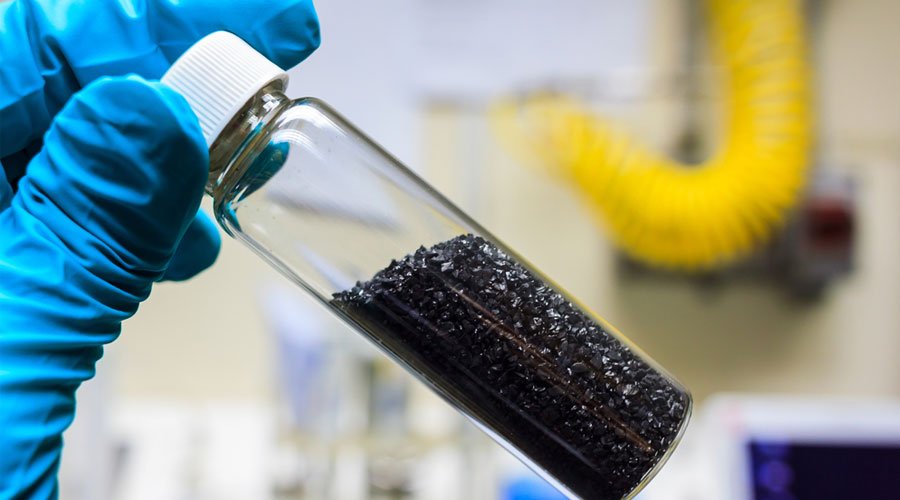
The primary reason for the utilization of activated carbon in adsorption is its microporosity due to which it has a huge surface area, about 500 to 1500 square meters per gram. Owing to its huge surface area and non-hazardous nature, it is widely used as an adsorber. The best part is, after the adsorption process is over, activated carbon can be made to undergo desorption to remove or recover the adsorbed molecules from its surface. Additionally, activated carbon needs a very minuscule amount of contact time (<1 sec) to perform its job. In contrast to the general separation process, activated carbon is very effective in the removal of impurities or molecules which have a very low weight per volume in the fluid.
Today with the advancement of science and technology, we can utilize the carbon in its activated form. In the activation process, carbon is made to undergo several processes to enhance its adsorption capability. By utilizing activated carbon with modern filtration and purification equipments, several complex issues are being solved. Following are the areas in which adsorption by activated carbon is being utilized and has a proven track record:
1. Water Treatment
2. Wastewater Treatment
3. Chemical Purification
4. Treatment of Industrial Smoke and Gases
5. Vapour Recovery
6. Catalyst Recovery
7. Food and Beverage
8. Pharmaceuticals
9. Automotive Emission Control
10. Natural gas and Biogas Purification
11. Air Purification
How to Select the Right Type of Activated Carbon
As per size and shape, there are three types of activated carbon available in the industry. They are: powdered, granular, and extruded (pellets). But each one of them is available in numerous grades which can be differentiated on the basis of the raw material utilized, and the process used for activation. The porosity of the activated carbon varies depending on the raw material used. So, the right selection can only be done by studying the nature of fluid to be treated and understanding the objective to be accomplished. So, the success of any adsorption project hinges completely on the selection of the right type of activated carbon, the one that is not only impeccable in terms of quality but is also the exact right match for your needs.
How Can Gopani Help You in Recycling and Purification?
Whether you want to purify the air, water, chemicals, or any other fluid or you want to recover the spent resources, we can design and build highly effective adsorption systems for you. We have teamed up with Norit to build world-class adsorption systems. Norit is the most dependable on the planet for activated carbon, nobody knows activated carbon better than them. Gopani has an immense amount of experience in designing and executing filtration projects across a wide spectrum of industries. Together with Norit, our Gopani Team is extremely well poised to solve the problems faced by the industries. At Gopani, our focus is on making this earth a cleaner, a healthier, and a more livable space; and the product portfolios that we are right now working with or expanding into are all aimed at making earth a better planet.