
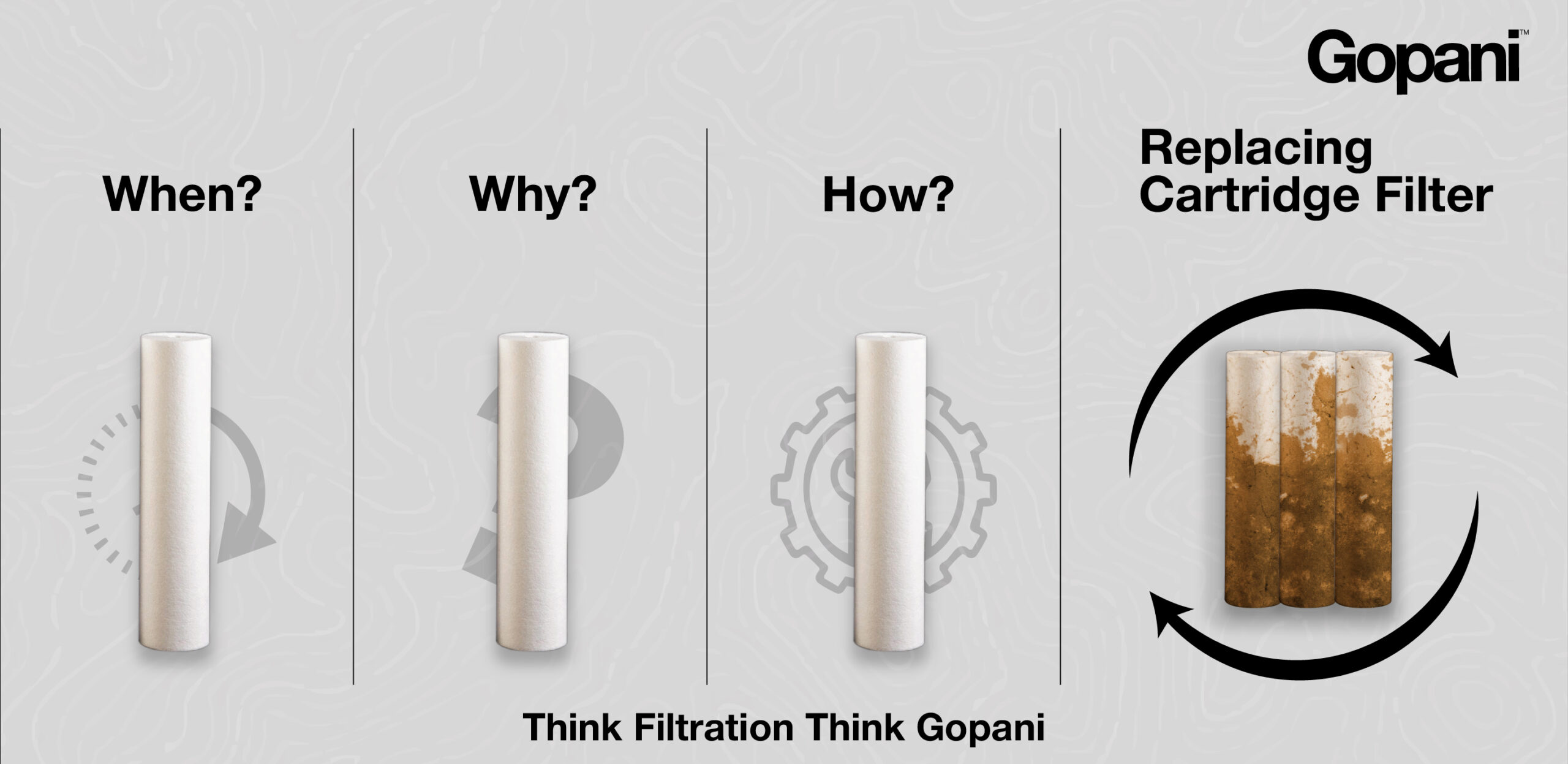
Filtration is a fundamental process in industries such as water treatment, pharmaceuticals, food and beverage, and petrochemicals etc. Cartridge filters, often the backbone of these systems, perform high-precision filtration, ensuring contaminants are removed effectively. Over time, as filters trap particulates, their performance declines, increasing system pressure and reducing flow rates. Replacing these filters on time is critical not only for maintaining operational efficiency but also for avoiding potential damage to equipment and contamination of products.
This guide provides an in-depth understanding of filter types, signs that indicate replacement is necessary, and a detailed procedural framework for cartridge replacement.
Types of Cartridge Filters
Cartridge filters are broadly classified into two types: depth filters and surface filters, each designed for distinct filtration applications.
Depth Filters
Depth filters are multi-layered media designed to trap particles throughout the thickness of the filter media. These filters excel in retaining a wide range of particle sizes, making them suitable for applications with high levels of particulates.
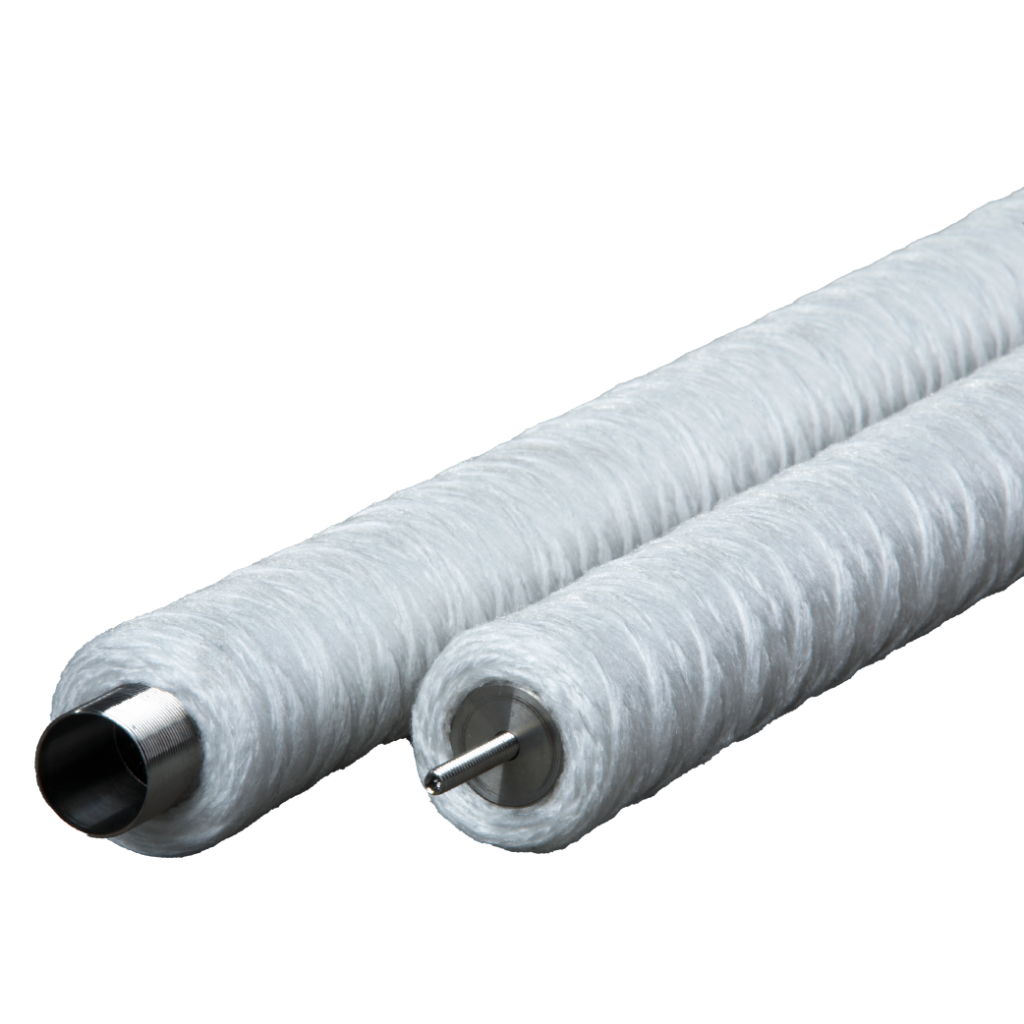
Depth filters are typically made from fibrous materials such as cellulose, fiberglass, or polypropylene. These fibers are arranged in a gradient density format, where the outer layers capture larger particles while the finer inner layers trap smaller contaminants.
Surface Filters
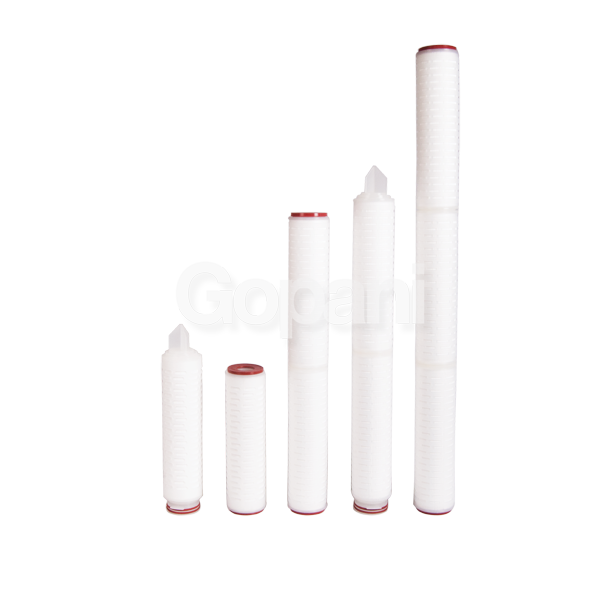
Surface filters capture particles on their outer surface, providing precise and consistent filtration. These filters are often pleated to increase the filtration surface area while maintaining a compact size.
Technical Construction:
Surface filters are made from membranes like polyester, nylon, Polypropylene, PES, PVDF, PTFE, or stainless steel mesh, with uniform pore sizes for selective filtration.
Difference Between Depth and Surface Filters
| Depth Filters | Surface Filters |
| Multilayer structure | Single-layer structure |
| Traps particles throughout media | Double Layer |
| High dirt-holding capacity | Captures particles on surface |
| Suitable for high particulate loads | High filtration precision |
| Suitable for fine particle contaminant filtration |
When to Replace a Cartridge Filter
Pressure Differential Monitoring
The most reliable metric for determining when to replace a cartridge filter is the pressure differential (ΔP) across the filter. As particulates accumulate, ΔP rises. Most systems are designed to trigger a filter replacement at a specific ΔP. Pressure gauges installed upstream and downstream of the filter housing provide real-time ΔP readings.
Manufacturer’s Recommended Lifespan
Manufacturers specify a general lifespan for cartridge filters, typically ranging from days to weeks, depending on their dirt-holding capacity and intended use. However, the actual lifespan may vary significantly due to factors such as contaminant concentration, flow rate, and system operating conditions.
Quality degradation in Output
Observable changes in the quality of filtered liquid, such as cloudiness, discoloration, or particulate presence, indicate that the filter is no longer effective. Similarly, in sterile applications, microbial breakthrough or contamination is a clear sign of filter failure.
Physical Condition of the Filter
Visual inspection of the cartridge can reveal excessive dirt accumulation, discoloration, or physical deformities such as cracks or warping. These are indicators that the filter must be replaced immediately.
Why Replacing a Cartridge Filter Matters
Replacing a cartridge filter isn’t just routine maintenance, it’s a critical step to keep systems running smoothly and efficiently. Filters that are clogged cause pressure to rise, forcing pumps to work harder and increasing energy costs. Over time, this strain can damage downstream equipment and disrupt entire operations.
In industries like pharmaceuticals, food and beverage, and bottled water, the consequences of poor filtration go beyond inefficiency, they can lead to contaminated products, regulatory violations, and costly production shutdown. Timely replacement ensures that flow rates remain stable, filtration quality stays consistent, and the overall system performs at its best.
How to Replace a Cartridge Filter
System Shutdown and Preparation
Disassembly of Filter Housing
Removal of Used Filters
Inspection and Cleaning of the Housing
Installation of New Filters
Reassembly of Housing
System Testing and Purging
Tips to Prolong Cartridge Filter Lifespan
Maximizing cartridge filter lifespan relies on proactive maintenance and proper usage practices. In high-load systems, using pre-filtration solutions with coarser filters reduces the strain on main cartridges, preventing premature clogging. Spare filters should always be stored in a clean, dry environment, kept in their original packaging to avoid damage. Additionally, regular cleaning and maintenance of filter housings, seals, and O-rings are essential to prevent leaks and ensure efficient filtration.
Common Mistakes to Avoid
Common errors can significantly shorten filter life and reduce efficiency. Reusing disposable filters compromises their performance and risks contaminant bypass. Ignoring signs of wear and tear, such as rising pressure differentials or reduced flow rates, can lead to costly damage. Lastly, using incompatible filters for specific applications can result in filter breakdown and process contamination. Matching the filter material to chemical and thermal requirements is crucial for consistent performance and reliability.
Why Choose Gopani?
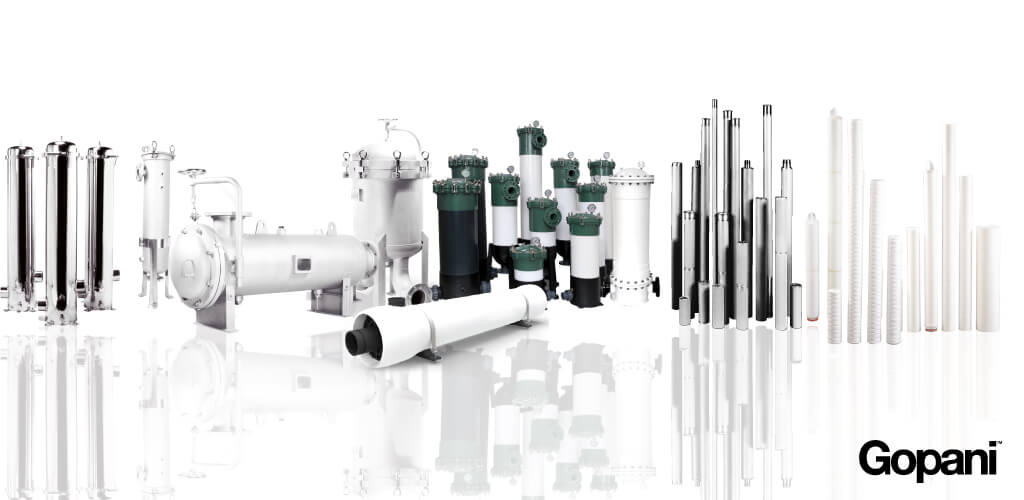
At Gopani, we provide high-quality filtration solutions for industries. Our cartridge filters are made with advanced materials to capture more dirt, offer precise filtration, and last longer. We test our filters carefully to ensure top quality. Industries like pharmaceuticals, water treatment, and petrochemicals trust our filters for their needs.
Our Product Range

Conclusion
Replacing a cartridge filter is a fundamental yet technically involved process that ensures optimal filtration efficiency and system longevity. Understanding the differences between depth and surface filters allows operators to choose the right filter for their specific needs. Adhering to a structured replacement protocol minimizes downtime, enhances operational safety, and maintains product quality. For more advanced systems, implementing automated pressure monitoring or predictive maintenance tools can further optimize filter management, reducing manual intervention and operational costs.