Archive for the ‘ News ’ Category

Wear Masks for 95% Covid Protection – Stay Safe Through Another Year of Covid Disruptions

Wednesday, May 11th, 2022

2nd strain of COVID 19 is more deadly. It is spreading fast and infecting many. To keep your employees safe and keep your business running seamlessly, provide a safe working environment to your frontline warriors.

In Addition to Safety Measures Like:

  1. Checking temperature before entry into office premises.
  2. Sanitizing before entry into office premises.
  3. Washing hands often.
  4. Maintaining distance at all times.
  5. Maintaining distance even at mealtime.

Wearing an N95 Mask at the Workplace is Extremely Important!

Wear Masks for 95% Covid Protection - Stay Safe Through Another Year of Covid Disruptions

Provide the safety of N95 masks to all your frontline staff members.

A good quality N95 mask stops the virus from entering the respiratory system and saves valuable lives.

N95 Respirators Features
N95 Respirator by Gopani
  1. 6 Layered N95 mask with two melt-blown layers, Spun bond, medical-grade Non-Woven Poly-Propylene fabric & skin-friendly cotton filter (Provides Highest degree of bacterial/viral filtration).
  2. Single-core insulated nose wire.
  3. Soft-feel, round, stretchable ear-loop.
  4. White Color.

Download Catalog

Check Our Surgical Masks Variants

*Wear Two Surgical Masks for Maximum Protection from the New COVID Strain
Sure-T 3P Supreme Respirators Sure-T 3P Premium Respirators Sure-T 3P Classic Respirators
Sure-T 3P Supreme
Respirators
Sure-T 3P Premium
Respirators
Sure-T 3P Classic
Respirators

Buy Masks for Your Frontline Workers!

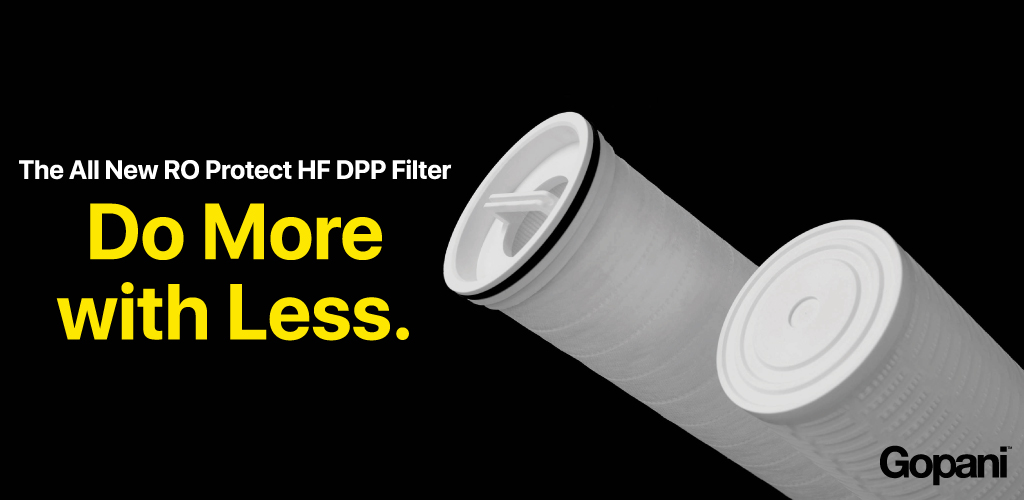
Introducing The All New RO Protect High Flow DPP Filter

Friday, May 6th, 2022

do-more-with-less

Thick media filter for high particle removal efficiency

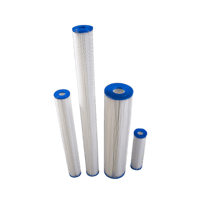
The advantages of depth filtration, continuously graded pore structure, and evenly pleated geometry are all rolled into a single cartridge filter.

The thick filter media, is perfect for removal of gels and agglomerates. Just like all the other products from Gopani, the RO protect HF DPP filters too have

  1. Higher dirt holding capacity.
  2. Higher filtration efficiency.
  3. Long service life.

The special depth pleated filter media in Ro protect HF-DPP is designed for high particle removal efficiency in Desalination, RO-prefiltration, food and beverage, pharma, and other similar applications.

Features and Benefits:

  1. Polypropylene media for broad process fluid compatibility and excellent capability in many applications.
  2. The multi-layered, depth-pleated filter can increase particle-loading capacity and provides excellent removal performance of gels and agglomerates at very high dust holding capacity.
  3. High flow performance filter reduces filtration time and cost of ownership.

*Also available in Pleated Polypropylene β5000 and Glass Fiber β5000 variants

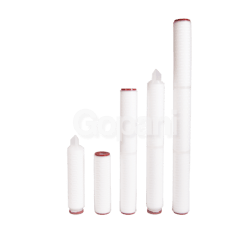
Checkout Other Popular Pleated Media Filters from Gopani:

PL-1 Clarywound-CPU clearypleat-CPU-1
Clarypleat HE Clarypleat 5000 Clarypleat CPU
Clarypleat-TMP RO-protect-HF Clarypleat-PTFE
Clarypleat TMP Clarypleat HF Clarypleat PTFE
PTFE Pleated-39 66-62 Clarypleat NE-60
Clarypleat PES Clarypleat N66 Clarypleat NE

Inquire Now!

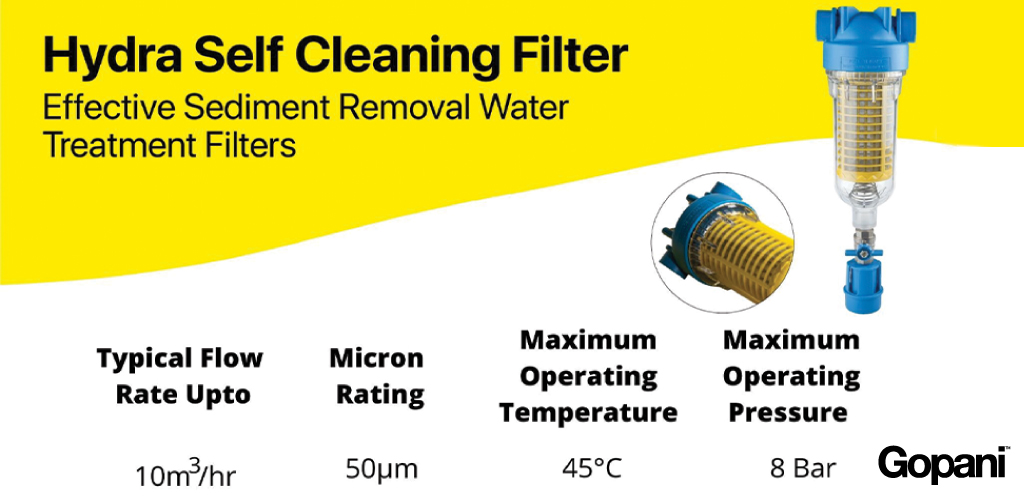
Hydra – Cost Saving Reusable Filters with Self Cleaning System

Friday, May 6th, 2022

Loop in the self-cleaning back washable Hydra Filters to your water treatment system.

Replace your sand filters with “Hydra Filter”. Unlike the sand filter it does not clog easily, it is easy to transport, install and clean. It can be reused after back washing for numerous cycles.

Download Catalog Now!

Also Checkout the Dual and Three Stage Filtration Systems

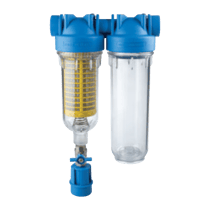
Hydra Duo - Atlas Filtri Water filtration systems

Hydra Duo

Dual stage self-cleaning filter for water treatment

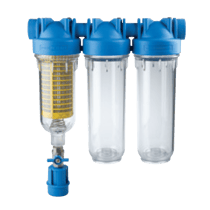
Gopani_Hydra_Images_trio

Hydra Trio

Three stage self-cleaning filter for post filtration

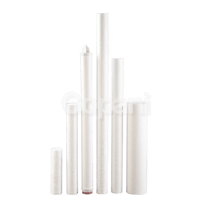
Pair them up with a compatible cartridge filter of your choice.

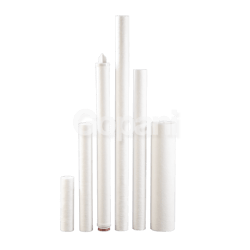
Melt Blown Cartridge Filters

Melt Blown Cartridge Filter

String Wound Cartridge Filters

Stringwound Cartridge Filter

Clarypleat NE - Gopani

Clarypleat – NE

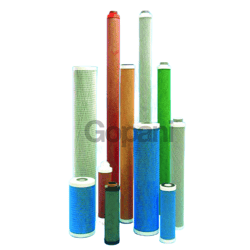
Activated-Carbon-Blocks-1

Clarycarb Activated Carbon Blocks

The cleaning operation with back-wash is simply operated by the opening of the discharge valve at the filter bottom. Filter consistently for numerous filtration cycles by back flushing the systems.

The cleaning operation with back-wash is simply operated by the opening of the discharge valve at the filter bottom. Filter consistently for numerous filtration cycles by back flushing the systems.

Inquire Now!

Desalination and how to Reduce CAPEX/OPEX with Advanced Pre-filtration?

Thursday, May 5th, 2022

Desalination and how to Reduce CAPEX/OPEX with Advanced Pre-filtration?

Urbanization, population growth, excessive pollution in water catchments, and wastage of water has led to a scary decline in freshwater resources. Now, as whatever freshwater is available must be utilized for human consumption and utility, it is important to explore alternative water sources to fulfill the demand of water for industrial use. In this scenario, the uptake and popularity of using desalinated seawater have increased.

Today the production of desalinated water is nearly 95.37 million cubic meters per day. If we go back in time, a few years ago, desalination was popular mainly in the Middle East. But today, it is used across the world in countries like UAE, Saudi Arabia, Oman, Spain, Cyprus, Portugal, Greece, India, Italy, Japan, etc.

But Desalination is Expensive, and it is also an Energy Hog!

Operating Desalination Plants Involves:

  • High Costs
  • High Energy Consumption
  • Solar energy powered desalination plants look like a very promising alternative; however, the development of this technology is still at a nascent stage.

    The most commonly used membrane technology to treat saline water is RO membrane technology. Now, the RO membranes used to filter the salts from water are extremely costly. If they get semi-clogged/clogged, they start guzzling energy. One alternative is – to extract water from deeper into the sea, where contaminants are less – sure. But, the cost of water extraction from the deeper sea is highly expensive.

    So, while we wait for some better alternatives that make desalination cheaper and greener, it is important to make sure that the existing processes are optimized to reduce costs, become energy efficient and produce less waste.

    RO Membrane Fouling: A Top Challenge for Desalination

    RO membrane fouling is one of the top challenges for desalination. When the RO membranes cake or clog, they can no longer be used for filtration. As a result, the entire RO module has to be discarded and replaced with a new module. These modules go directly to the landfills, and the disposal adversely affects the environment. Frequent changeouts mean frequent downtimes, higher disposal costs, and a higher need for resources. Hence, it becomes crucial to reduce the number of changeouts, leave a smaller footprint, and improve the ROI.

    So How can the problem be solved?

    Why RO Modules Need Frequent Change-Outs?

    Seawater near to the shore remains highly concentrated with contaminants like salts, oil traces from spills and leakages, bio-waste, and solid waste. Now all this waste settles on the membrane and clogs the surface. Often bio-waste like algae and larvae mature, breed, and spread on the membranes. The expensive membranes then clog faster than intended. As a result, they not only use more energy for filtration but their lifespan also drastically decreases. Mining water from deeper into the ocean is a possibility, but the process is costly and hence does not serve the purpose. An effective way to protect the RO modules and prevent membrane clogging is by introducing another layer of prefiltration by looking in a cartridge filter as the last line of defense.

    In a nutshell

    It is extremely costly to extract seawater from deeper into the sea.

    The impact on environment and costs by looping in cartridge filters is remarkably less than replacing an entire RO module.

    Prefiltration for Desalination: Extend Service Life and Reduce CAPEX/OPEX of Desalination Plants

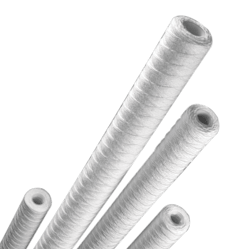
    After all the filtration layers are exhausted, a Cartridge Filter is looped right before the seawater is transported to the RO modules. The string wound cartridge filter removes all the remnants of solid waste, bio waste, and debris and filters several other contaminants from the seawater. Commonly desalination plants use a sand filter as the last layer.

    However, the sand filter removes particles only up to 10-25 microns. If we loop in a Cartridge filter as the last line of defense, it can remove contaminants up to 5 microns. After microfiltration, the water that goes into the desalination plant contains only salts. By adding a String Wound Cartridge Filter right before the RO membrane filtration, reduces the stress of filtration on the membranes.

    The RO membranes have to filter less and hence remain in better health for a long time. The need for maintenance also decreases, and hence maintenance cost comes down. As the changeouts are less, there is less waste dumped in the landfills. The desalination plants leave a smaller and greener footprint. If there are frequent changeouts, then there will also be frequent downtimes and more consumption of work-force and manual labor.

    If the RO membranes last longer and filter better, then all these costs can be saved in addition to the cost of an RO module replacement itself.

    Gopani’s Clarywound 3X – String Wound Cartridge Filter with Three Times Higher Dirt Holding Capacity.

    We have seen a lot of research, innovation, and development in RO membranes. However, there is no significant innovation in the pre-filtration technology. Gopani is doing its share by leading innovation in prefiltration products and solutions.

    The Clarywound 3X enables highly efficient prefiltration. It protects the RO modules from fouling and increases the service life of desalination plants. The premium-grade variant from Gopani is genuinely priced, has a compact design and a greener footprint.

    It reduces the stress on your desalination plants, increases the service life of your expensive desalination plant and related equipment, reduces the burden of frequent maintenance and cuts down maintenance costs, and increases the efficiency of your desalination plant via efficient pre-filtration.

    Exclusive Range of Desalination Pre-filtration Equipment From Gopani
    String Wound Cartridge Filters

    String Wound Cartridge Filters

    RO-Protect-Eco

    Melt Blown Cartridge Filters

    Pleated-Cartridge-Filters-Gopani-1024x1024

    Pleated Cartridge Filters

    D-Sal High Flow

    RO Protect HF

    Oil-Removal

    Oil Removal

    Clary-Sea-M

    ClarySEA M

    Clary-T-Housing

    Clary-T Housing

    D-Sal FRP Housing

    FRP Filter Housings

    All You Need to Know About Steam Filters

    Thursday, April 28th, 2022

    steam-filter 

    Filtration is an important process in removing impurities from steam in various
    industries. Here are some of the common applications and stages where steam filtration is used:

    Cartridge Filters for Chemicals Industries UAE

    Chemical Industry

    In the chemical industry, steam filtration is used to remove impurities from steam used in chemical processes. This helps to ensure product quality and prevent damage to downstream equipment.

    Know more..

    Cartridge Filters for Pharmaceuticals Industries UAE

    Pharmaceutical Industry

    In the pharmaceutical industry, steam filtration is used to remove impurities from steam used in sterilization processes. This helps to ensure the safety and efficacy of pharmaceutical products.

    Know more..

    Food and Beverage

    Food and Beverage

    In the food and beverage industry, steam filtration is used to remove impurities from steam used in cooking and processing. This helps to ensure the quality and safety of the final product.

    Know more..

    Cartridge Filters for Power Plant Industries UAE

    Power Generation

    In power plants, steam filtration is used to remove impurities from steam before it enters the turbine. This helps to prevent damage to the turbine and other downstream equipment and ensures maximum efficiency of the power generation process.

    Know more..

    Download Catalog

    Here are some standard FAQs for Steam Filtration:


    1. What is the purpose of steam filtration?

    Steam filtration is used to remove impurities and contaminants from steam to ensure
    quality, safety, and efficiency in various industrial applications.

    2. What types of filters are used in steam filtration?

    Cartridge filters, are The choice of filter. Mainly sintered metal filters with
    ss316L as material of voice.

    3. What are the typical pore sizes of filters used in steam filtration?

    The typical pore sizes of filters used in steam filtration range from 0.2 to 10
    microns
    , depending on the level of impurities in the steam and the specific application.

    4. How often do steam filters need to be replaced?

    The frequency of filter replacement depends on the specific application and the level of
    impurities in the steam. In general, filters should be replaced when they become clogged or when the pressure drop
    across the filter exceeds the recommended level.

    5. What are the benefits of steam filtration?

    Steam filtration helps to ensure product quality, safety, and efficiency in various
    industrial applications. It can prevent damage to downstream equipment, improve process efficiency, and ensure the
    safety and efficacy of pharmaceutical products.

    5 Filters You Need to Replace Your Resin Bonded Cartridge Filters

    Thursday, April 28th, 2022

    Many companies have stopped using resin bonded cartridge filters and have chosen cartridge filters from Gopani – known for their high filtration efficiency and relatively fair price. Gopani’s filter cartridges have a lower environmental impact, hence disposal issues are less, require lower maintenance, less frequent change-outs and all this lowers the cost of ownership.

    Resin-bonded cartridge filters are known for their structural integrity and ability to filter viscous fluids.

    They are typically used for the following applications:

  • Paints
  • Printing Inks
  • Adhesives
  • Resins
  • Polymers
  • Emulsions
  • Chemical coatings
  • Organic solvents
  • Petroleum products
  • Process water
  • Oilfield fluids
  • Animal oils
  • Waxes
  • Plasticisers
  • Many companies were until now using resin-bonded filters from brands like Parker, Cuno, and many more. However, environmentally conscious companies have stopped using resin-bonded filters.

    Why are Companies looking for Resin Bonded Alternatives?

    The fibers forming the resin bonded cartridge filter are bound by Phenolic resins such as Phenol and formaldehyde. A slurry of short fibers is bonded with resin, and there are high chances that the short fibers migrate out of the filter during service. Fibers in resin bonded cartridges are hard and when they release, and they may get embedded on gland packing and leave an impact on the filter sealing. Not only do these chemical compounds have serious implications on the environment, and create a lot of disposal issues for the user, they might pose serious hazards due to media migration.

    Hazardous effects of Phenolic Resin

  • Eyes: The product can irritate and cause redness or burning sensation to the eyes.
  • Skin: If the product comes in contact with skin, it may lead to skin irritation and conditions like dermatitis.
  • Respiratory System: inhaling fumes from a heating product can cause irritation in the nose and mouth.
  • Ingestion: The product has low oral toxicity, however unlikely, ingestion must be avoided.
  • The Better Alternative:

    All our clients who were vying to create a smaller environmental footprint have switched to more environmentally viable products from Gopani like:

    Clarywound Extreme Bico
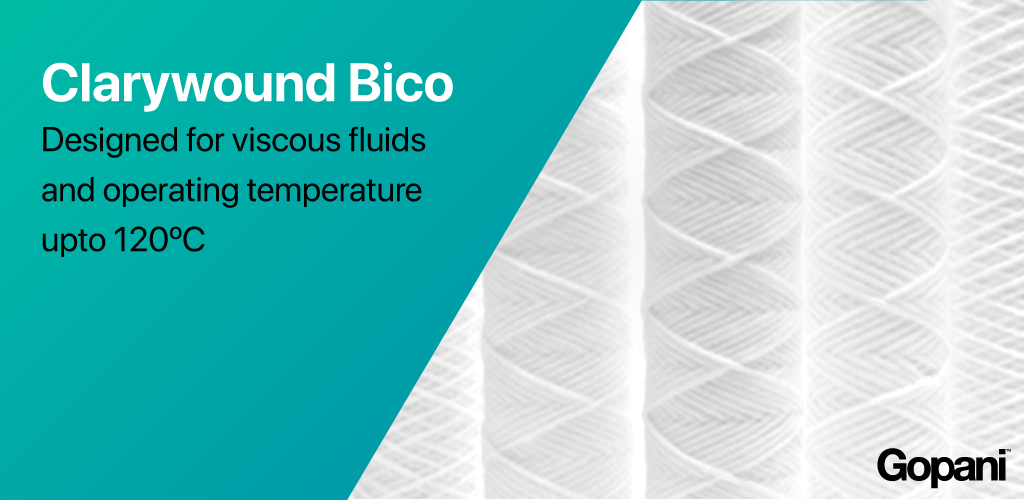
    Clarywound BICO:

    Designed for Viscous Fluids and Operating Temperature Upto 120ºC Bi-component cartridge filters designed for Viscous Fluids and Operating Temperature Upto 120ºC. The filter exhibits excellent depth filtration with a higher particle retention capacity.

    Clarywound Extreme

    Clarywound Extreme:

    Designed for extreme dirt holding capacity and filtration excellence Depth cartridge filter that filters better, lasts longer and gives a consistent performance. We have the capability to offer wound filters with porosity as low as 0.5 microns.

    Glass fibre wound cartridge filter

    Clarywound GF:

    Glass fibre filter cartridge for aggressive chemicals and high temperature Wound cartridge filters produced from glass fibre, designed for filtration efficiency in applications that involve aggressive chemicals and reactive liquids at high operating temperature.

    PP Melt Blown Cartridge Filter

    RO Protect Extreme:

    PP Melt Blown Cartridge Filter for Extreme Filtration Consistency and Capacity Weld free continuous length filter variant with clean pressure drop, increased dirt holding capacity and longer life. Available in a grooved pattern with increased surface area for intensive applications.

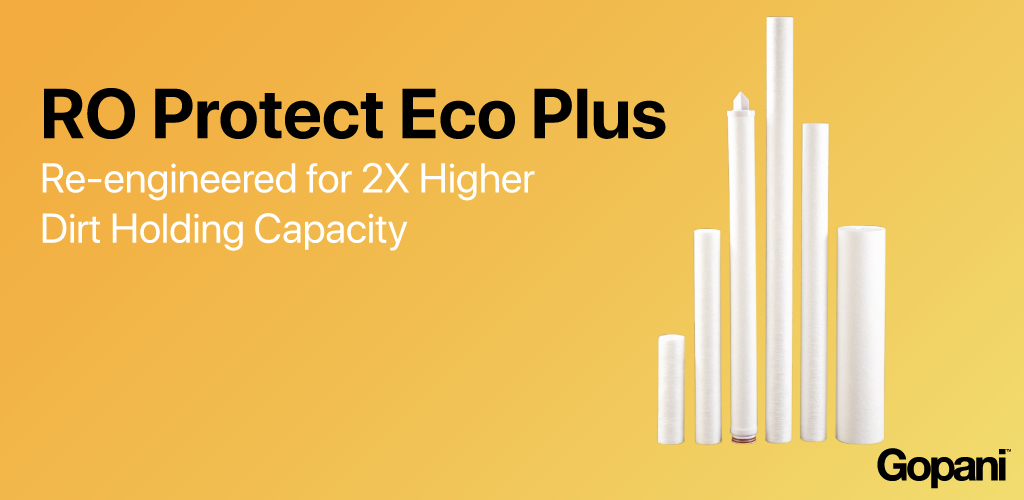
    RO Protect Eco Plus

    RO Protect ECO Plus Nylon:

    Nylon filter cartridge engineered for minimized pressure drop Re-engineered for high precision to provide improved structural integrity and minimize pressure drop. Has superior chemical resistance and is available in various sizes, micron ratings, end caps, and end treatments.

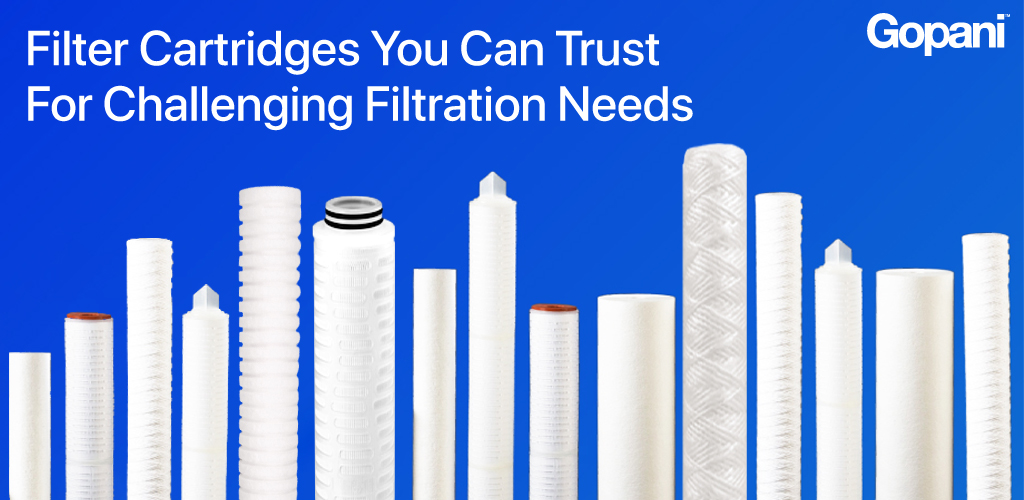
    10 High Performance Filter Cartridges You Can Trust For Challenging Filtration Needs

    Thursday, April 28th, 2022

    Gopani brings to you 10 specialty variants designed for niche applications involving filtration of viscous fluids, aggressive chemicals, gels and agglomerates, and high temperature operating conditions.

    The products excel in terms of price, performance, and quality. Check out the variants!

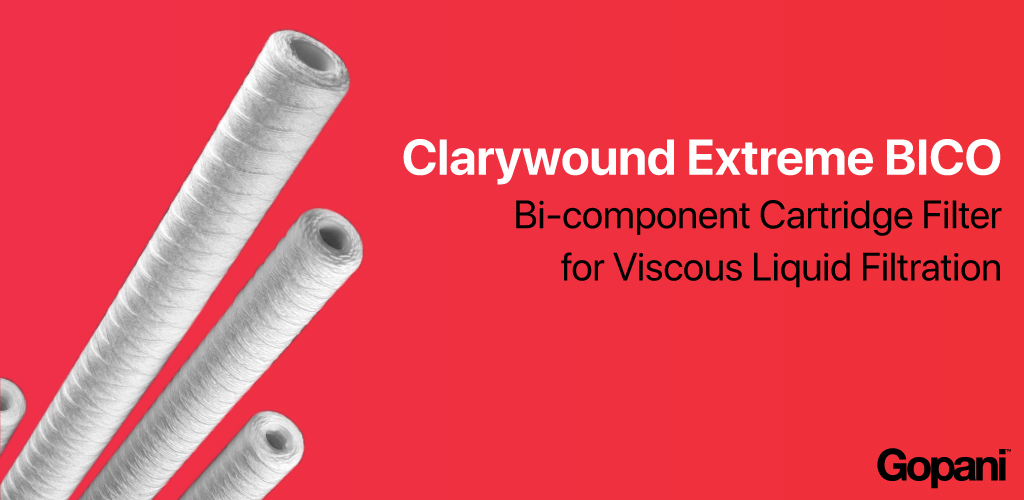
    Clarywound Extreme BICO

    Bi-component cartridge filters designed for Viscous Fluids and Operating Temperature Up-to 120ºC. The filter exhibits excellent depth filtration with a higher particle retention capacity.

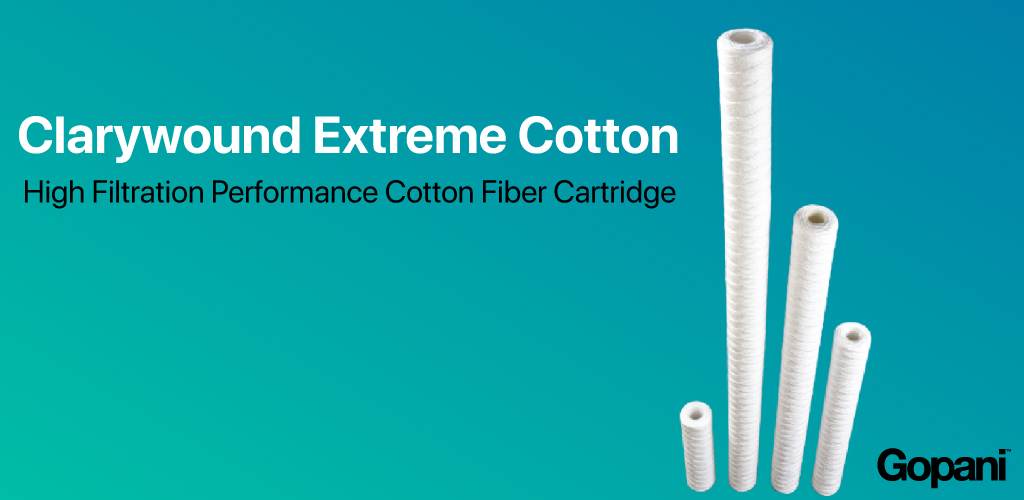
    Clary Wound Extreme Cotton

    The cotton filter media is wound in a honeycomb shape to ensure zero media migration. It also provides high flow rate, chemical resistance and excellent filtration capabilities.

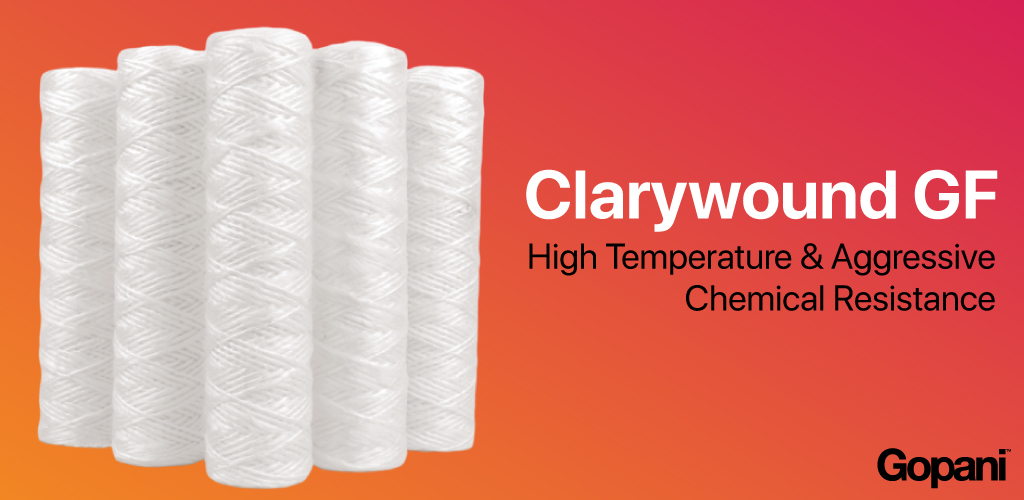
    Clarywound GF

    Wound cartridge filters produced from glass fiber, designed for filtration efficiency in applications that involve aggressive chemicals and reactive liquids at high operating temperature.

    RO Protect Extreme

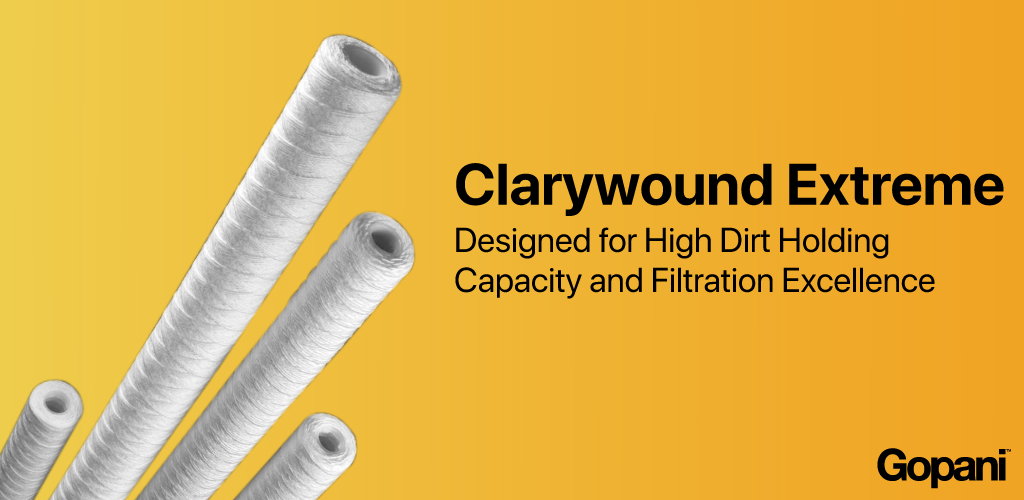
    Clarywound Extreme

    Depth cartridge filter that filters better, lasts longer and gives a consistent performance. We have the capability to offer wound filters with porosity as low as 0.5 microns.

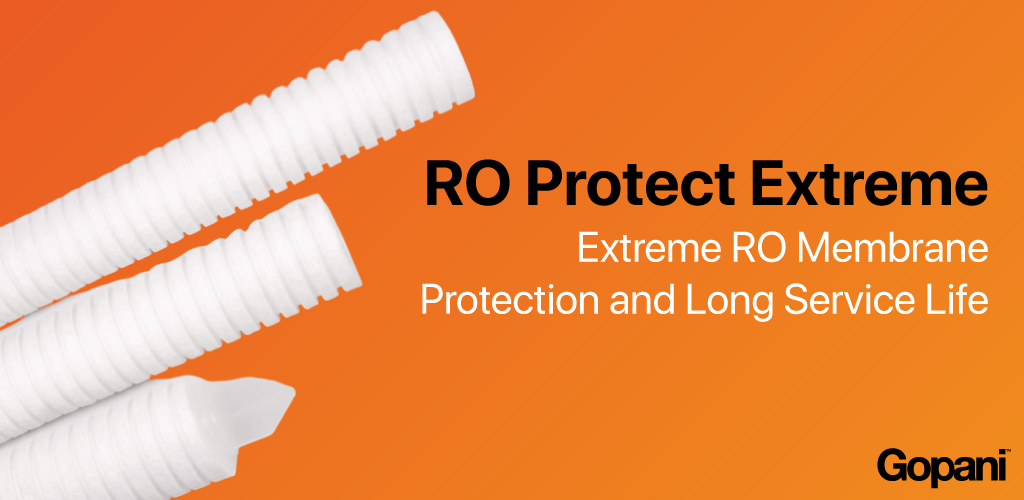
    RO Protect Extreme

    RO Protect Extreme

    Weld free continuous length filter variant with clean pressure drop, increased dirt holding capacity and longer life. Available in a grooved pattern with increased surface area for intensive applications.

    RO Protect Eco Plus

    RO Protect Eco Plus

    Economical melt blown cartridge filter with high dirt holding capacity. The cartridge filter has an improved structural integrity, minimized pressure drop, and exhibits broad chemical and thermal compatibility.

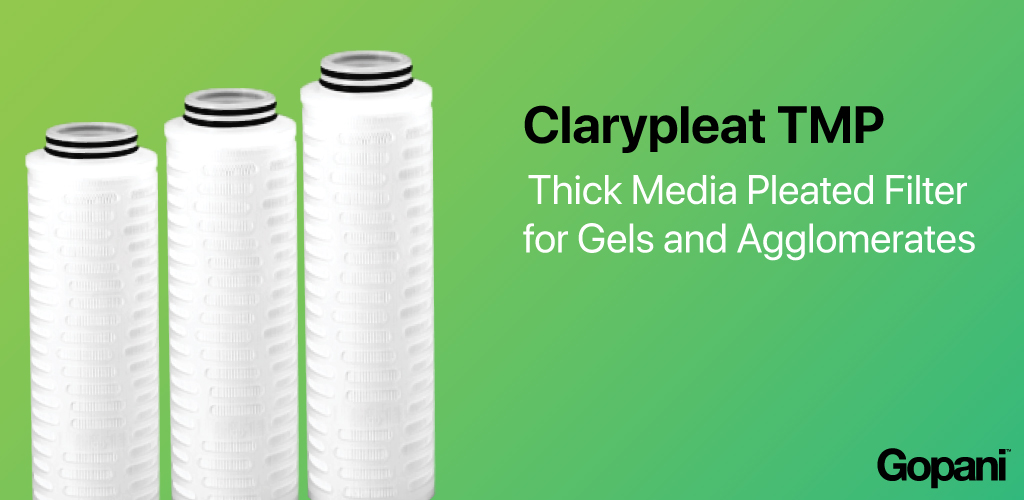
    Clarypleat TMP

    Clarypleat TMP

    Thick media pleated filter that offers both surface and depth filtration. It does an exceptional job of trapping the gels and agglomerates and is widely used in food and beverage and ink and paints industry.

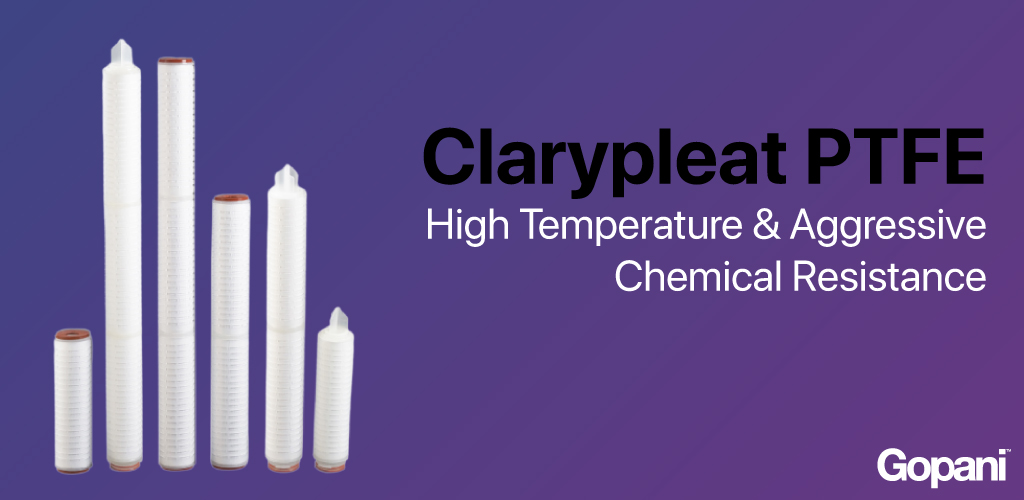
    Clarypleat PTFE

    Clarypleat PTFE

    Suitable for gas sterilizing filtration, filtration of aggressive solvents and organic liquids, clarification filtration in electroplating. Widely used oil and gas applications where process fluids are to be saved from humidity or steam.

    RO Protect HF DPP

    RO Protect HF DPP

    High flow variant with a thick filter media perfect for removal of gels and agglomerates. A fairly priced cartridge filter designed for high particle removal efficiency.

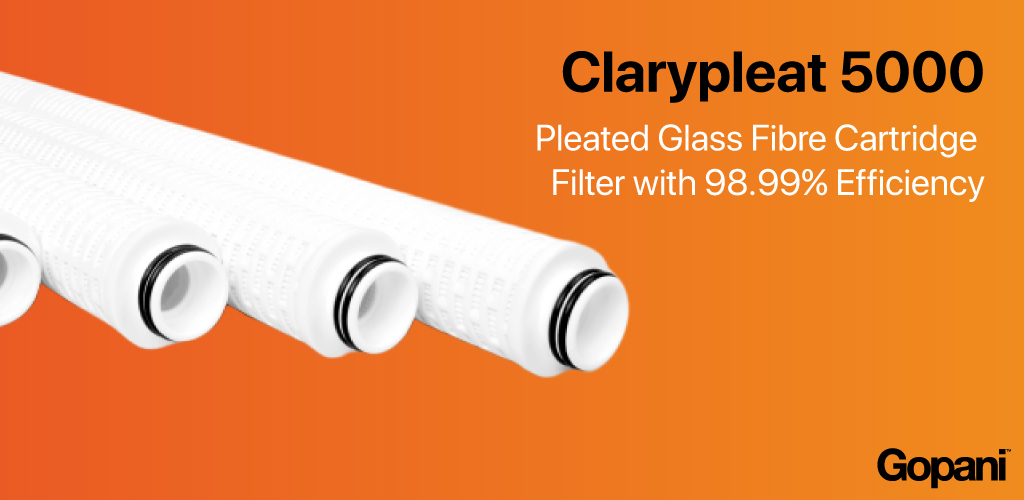
    Clarypleat 5000 - Pleated cartridge filters with very high efficiency.

    Clarypleat 5000

    Beta ratio of 5000 which means only one particle out of 5000 particles will be able to cross the barrier. Hence 98.99% efficiency. Widely used in demanding applications in chemical and oil and gas industry.

    Choose a variant with correct quality, specifications, and endurance capacity to withstand your application environment. It lasts longer, requires less maintenance, does not clog or cause unplanned down-times frequently, filters consistently, and gets rid of any leaks or contamination worries. It will help you save maintenance costs the cost of ownership will be considerably less.

    Wish to find a compatible variant and save filtration costs? Schedule a Consolation Time and Our experts will call you Back!!

    UNIEXCEL adds Cabot Norit Activated Carbon to its inventory, Joins hands with Cabot Corporation

    Thursday, April 28th, 2022

    UNIEXCEL adds Cabot Norit Activated Carbon to its inventory, Joins hands with Cabot Corporation

    UNIEXCEL is an ISO 9001:2015 certified manufacturer and distributor of world-class filtration and separation solutions. The company’s foundation is strengthened by its commitment to quality and consistency, and the commitment to bring only the highest quality products to its customers. Keeping up with these ethics, a year ago, UNIEXCEL Agencies and Services Pvt. Ltd. joined hands with Cabot Corporation.

    As a distributor, UNIEXCEL offers its customers three activated carbon variants – namely Powdered Activated Carbon (PAC), Granular Activated Carbon (GAC), and Extruded Activated Carbon (EAC). The variants have unique properties and are designed for a wide range of applications.

    Taking about the distributorship, Pathik Gopani, CEO, UNIEXCEL said: “Demand for good quality activated carbon is increasing. Customers are looking for long-lasting activated carbon with high adsorption capability, clean handling, and lower operational costs. The Cabot-Norit brand fulfills all these requirements of the customers. Moreover, UNIEXCEL and Cabot share a common ethos of uncompromised quality and excellent customer service.”

    Cabot has a 90-year legacy of innovative product development. It is a global leader in the research, development, and manufacturing of high-grade activated carbon used in a growing range of environmental, health, safety, and industrial applications. The company produces a diverse array of products with over 150 different activated carbon formulations engineered from a wide range of raw materials.

    About UNIEXCEL AGENCIES & SERVICES PVT. LTD.

    UNIEXCEL is an ISO 9001:2015 certified manufacturer and supplier of filter elements and filter cartridges. With Innovation at its core, the company develops next-gen filtration products and systems to solve all process-related challenges that the customers face. UNIEXCEL’s extensive product range includes but is not limited to an assortment of finest cartridge filters, cartridge housings, filter media, and filtration systems for industrial applications. UNIEXCEL has established a global client base and nurtured every client by consistently delivering an uncompromised quality of products, attention to customer requirements, and excellent after-sales support.

    How can your Heat Transfer Fluid benefit from Gopani’s HTF Filtration System?

    Saturday, May 7th, 2022

    All Thermic fluids (HTF) are organic compounds consisting of Biphenyl Compounds with added Anti-Oxidants. Ignoring the health of your heat transfer fluids often leads to quality deterioration, and will have an impeding effect on the entire process. Knowing what causes the quality of these fluids to deteriorate is your first step to resist these attacks and optimize the efficiency of these fluids. Following are various causes of quality deterioration and its effect on the quality of HTF and hence on the entire process, in the table below.

    1. Ingress of air and oxidation
  • Increase in viscosity.
  • Polymerization.
  • Drop in thermal conductivity.
  • Carbon formation
  • Requires higher power to maintain flow rate.
  • Increase in Fuel cost
  • 2. Lower velocity than minimum recommended velocity
  • Localized heating
  • Polymerization
  • Increase in Viscosity
  • Carbon formation
  • 3. Pick of iron particles from pipe lines and vessels contact surfaces.( Particularly when charging HTF for the new System
  • Scaling on heating surfaces
  • Drop in thermal conductivity.
  • Damages costly Mechanical Seals of Pumps
  • Frequent shut downs for changing the mechanical seals.
  • Mechanical seal leaks and loss of HTF on continuous basis.
  • 4. Increase in TAN No
  • Higher acidity of HTF
  • Corrosion of pipe lines
  • Build-up of iron particles
  • Frequent shut downs for changing the mechanical seals.
  • Mechanical seal leaks and loss of HTF on continuous basis.
  • Frequent need to change the pipe lines causing longer shutdown
  • These causes and the resulting deterioration of quality is often overlooked at the onset and only comes to notice when irreversible damage is done. This happens mainly because the Heat Transfer Fluid is perceived merely as a utility item and the operating crew focuses only on the production process, a primary objective in any industry.

    Heat transfer fluid is a highly expensive raw material. It is important to focus on quality degradation prevention, therefore ensure a longer life and improved processes. One of the most important factor in maintaining its quality is to ensure that it is free from any type of contamination. In this scenario, a smart filtration system will do the job.

    A Smart Remedial Action:

    Filtering heat transfer fluids will do two things for you,

  • Increase the service life of the HTF and
  • Reduce the frequency and cost of maintenance
  • Heat transfer fluids are contaminated by polymers, iron and carbon particles. These contaminants can be removed using side stream filtration in SITU. The side Stream flow rate can be 2%-3% of total flow.

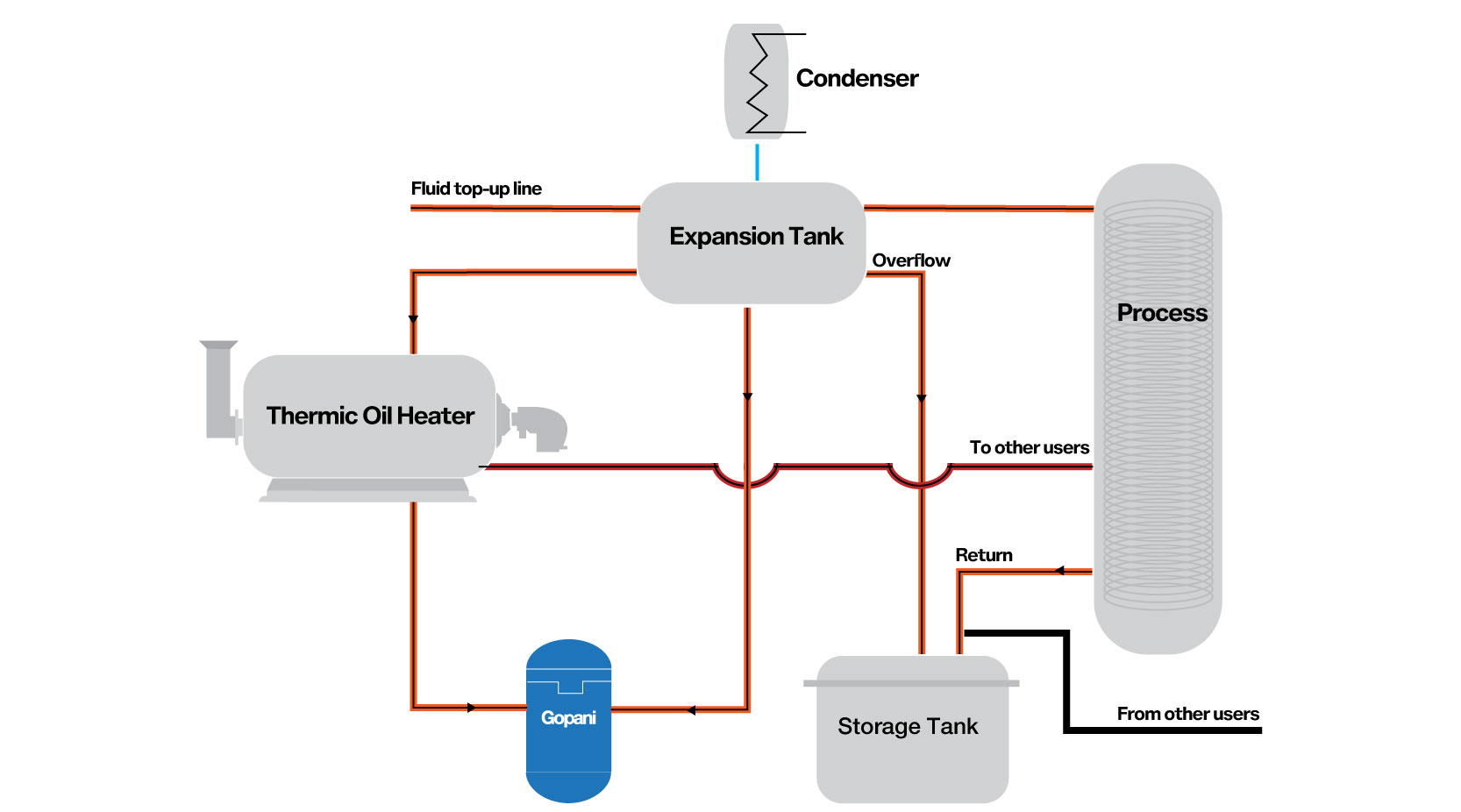
    Gopani Products Systems has developed a full system with filter, valves, pump and PI. The system is Skid Mounted. The Inlet and outlet piping to system is buyer’s scope. The GA arrangement for this system is as below:

    How can your Heat Transfer Fluid benefit from Gopani's HTF Filtration System?

    This filtration system is offered at short delivery period, and can be easily hooked into your existing heat transfer fluid circulation loop. The module can be hooked up to the main loop of your HTF system.

    General Loop of HTF System:

    HTF Filtration System

    As we saw earlier, the factors leading to risk and reduction in efficiency of the heat transfer fluids are mainly:

    a) build-up of suspended solids, and

    b) polymerized products.

    The suspended solids can be due to pipe /vessel erosion, corrosion and/or carbon particles.

    It is very important to continually filter the Heat transfer fluids and keep them healthy using the online filtration process. It is a smart way of filtering small flow of 5 m3/Hr from main loop and filter it back in the main system. Gopani products Systems has supplied such systems to several clients across the globe and has a proven track record of delivering excellent quality systems that have solved the contamination and particle build up issues in HTF processes.

    Contact us to know more about our HTF filtration system

    String-wound Filters for Water Filtration

    Thursday, January 16th, 2025

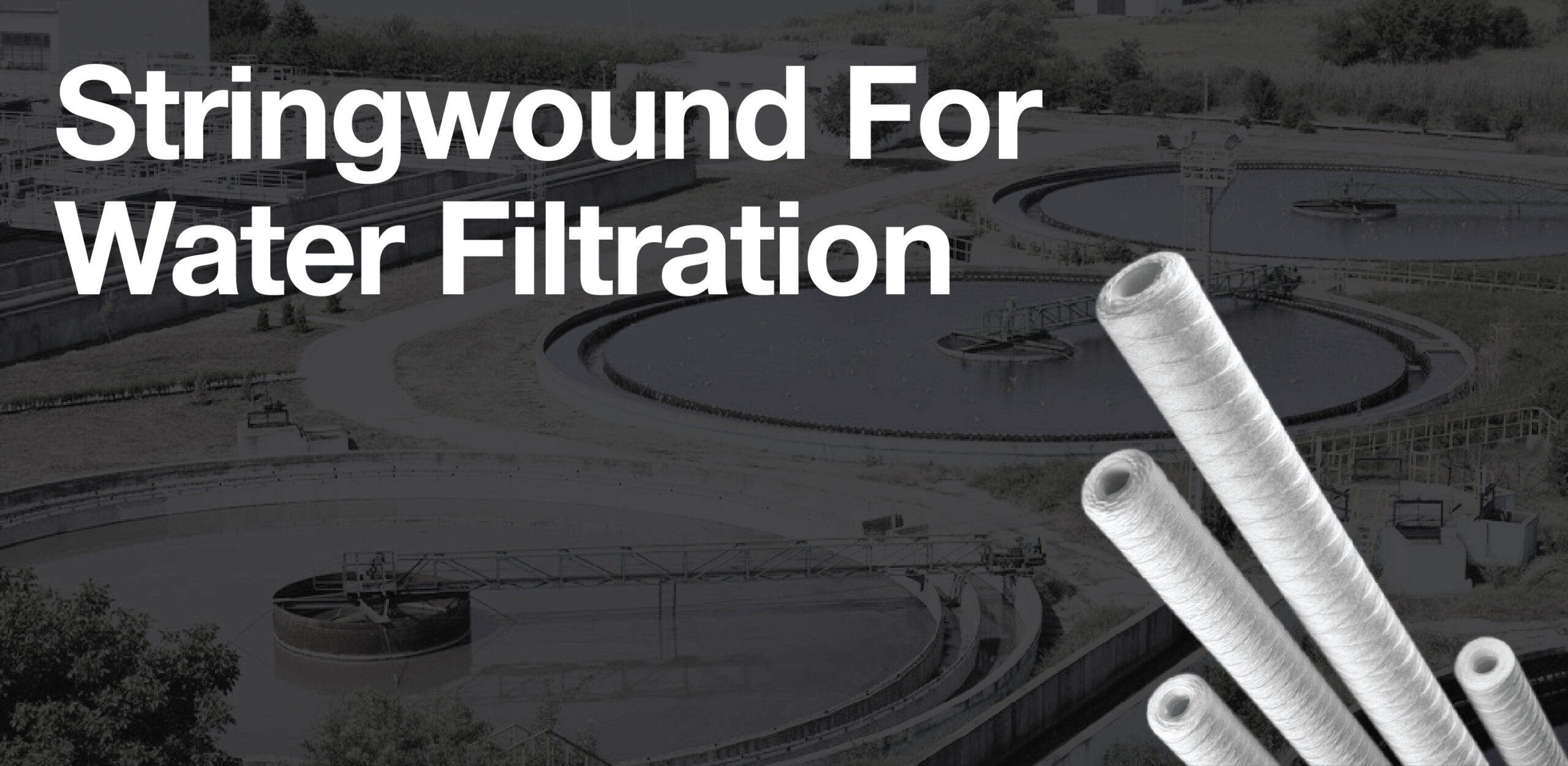
    String-wound Filters for Water Filtration

    String-wound filters are commonly employed in water filtration systems due to their reliable performance in removing suspended solids, particulate matter, and other contaminants from water. These filters are widely used in both municipal water treatment plants and industrial applications, where the quality of water is crucial for operational processes or consumer safety.

    Construction and Design of String-wound Filters

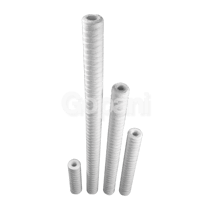
    A string-wound filter consists of a fibrous material wound around a central core, forming a depth filtration structure. The construction of the filter is designed to create a multi-layer filtration matrix.

    As water flows through the filter:

  • Larger particles are trapped in the outer layers.
  • Smaller particles are progressively captured in the deeper layers of the wound material
  • Materials Used:

  • String material: Commonly polypropylene, polyester, or cotton, selected based on chemical compatibility, temperature tolerance, and mechanical strength.
  • Core material: Stainless steel or plastic, depending on the application and environmental conditions.
  • The wound design of the filter allows it to handle a high volume of liquid while effectively removing particulate matter across a range of sizes. The depth of the filter is an essential feature because it increases the surface area available for contaminant retention, thus increasing the dirt-holding capacity of the filter and extending its service life.


    Filtration Efficiency and Performance

    String-wound filters are particularly effective in applications where the water is contaminated with a significant amount of suspended solids or particulates. The depth filtration mechanism enables these filters to capture a broad spectrum of contaminant sizes. As the water passes through the filter, the particles are progressively trapped in the fibrous layers of the wound material, making it possible to achieve high removal efficiencies even for fine particulate matter.

    The filtration performance is influenced by several factors, including the winding density, the material of the string, and the dimensions of the filter. Filters with tighter winding densities are more effective in capturing smaller particles, while looser wound filters tend to have higher flow rates but are less effective in capturing fine particulates. The versatility of string-wound filters allows them to be used across various stages of filtration, from pre-filtration to final polishing, depending on the specific requirements of the water treatment process.

    Applications in Water Treatment Systems

    String-wound filters are used extensively in both municipal and industrial water filtration systems. They are particularly valuable in pre-filtration stages, where they help to remove large particles and debris before finer filtration processes, such as reverse osmosis, are employed. In reverse osmosis systems, string-wound filters serve to protect the more delicate membranes by removing large suspended solids that could cause fouling or damage.

    In industrial applications, string-wound filters are employed in water systems for cooling, washing, or other processes that require clean water. Their ability to handle high flow rates and their relatively low cost make them a popular choice for large-scale filtration operations. Additionally, string-wound filters are used in systems that process well water or surface water, where the particulate content tends to be higher.

    While they are not designed to remove dissolved contaminants, string-wound filters provide a highly efficient means of reducing suspended solids and particulate matter, ensuring that the water used in industrial and municipal applications meets quality standards.

    Role in Different Water Treatment Plants

    String-wound filters play an essential role in various types of water treatment plants, where their function is crucial to ensuring the cleanliness and safety of water before it enters distribution systems or industrial processes. Here are some of the key water treatment plants where string-wound filters are frequently used:

  • CETP (Common Effluent Treatment Plant): A CETP is a shared facility used by clusters of small and medium industries to collectively treat wastewater before discharge into water bodies. String-wound filters are widely deployed at the CETP inlet as a pre-treatment step to remove suspended solids, fibres and particulate matter from incoming mixed industrial effluent, protecting downstream biological and chemical treatment stages and ensuring compliance with discharge norms.
  • ETP (Effluent Treatment Plant): In effluent treatment plants, where wastewater from industrial processes is treated before being released into the environment or reused, string-wound filters are often used in the initial stages to remove coarse particles, oils, and other debris. They help reduce the contaminant load entering biological treatment stages, improving the overall treatment efficiency.
  • STP (Sewage Treatment Plant): String-wound filters are used in sewage treatment plants for the pre-filtration of wastewater to remove large solid materials such as grit, debris, and suspended solids. These filters assist in safeguarding sensitive equipment downstream and in preventing blockages or fouling within the system. In some cases, they are also used in the final stages of filtration to improve the clarity and quality of the treated water.
  • WTP (Water Treatment Plant): In conventional water treatment plants, string-wound filters are widely used in the pre-treatment phase. Their role is to capture large particles and sediments from raw water before it undergoes finer filtration or disinfection processes. By removing these larger contaminants, string-wound filters help prevent clogging in subsequent treatment systems, such as activated carbon filters or UV disinfection units.
  • Advantages of String-Wound Filters

    1. High Dirt-Holding Capacity: Multi-layer construction captures a wide range of particle sizes.
    2. Versatility: Adapts to various water filtration needs, from municipal systems to industrial processes.
    3. Cost-Effectiveness: Durable design ensures long service life with minimal replacement costs.
    4. Chemical Compatibility: Handles a broad spectrum of water compositions.
    5. Ease of Installation: Compatible with most standard housings and systems.

    Conclusion

    String-wound filters are a cornerstone of water filtration technology, offering an efficient and economical solution for removing suspended solids and particulate matter. Their adaptability makes them indispensable in diverse settings, from municipal water treatment plants to industrial applications, including CETP, ETP, STP, and WTP processes.

    By ensuring clean, safe water for human consumption and industrial operations, string-wound filters contribute significantly to meeting global water quality standards. Investing in high-quality string-wound filters not only enhances filtration efficiency but also supports sustainable water management practices.

    Explore our range of string-wound filters to optimize your water filtration system and achieve superior performance.


    How can Gopani Help?

    One often encounters the challenge of maintaining optimal efficiency while minimizing consumption. It is here that the ingenuity of filter cartridges comes into play, offering a plethora of solutions tailored to diverse needs.

    Understanding Your Unique Requirements

    Our approach begins with a study of your specific requirements. We recognize that every application is unique, presenting its own set of challenges and demands. By delving into the intricacies of your operations, we aim to understand the nuances that define your needs. This knowledge forms the cornerstone of our ability to recommend the most suitable filter cartridges for you.

    By selecting the appropriate filter cartridge from our range, you can achieve significant improvements in efficiency. Our cartridges are designed not only to filter contaminants effectively but also to optimize the overall performance of your systems. This leads to reduced energy consumption, extended lifespan of equipment, and lower operational costs.